Visceral Manipulation in Sarita Vihar

Visceral Manipulation in Sarita Vihar

Gentle internal release—restore natural organ motion so posture, breath, and comfort improve from the inside out.

Call Clinic

Visceral Manipulation is one of the gentlest yet most effective therapies we offer. It focuses on the natural movement of your internal organs (stomach, liver, intestines, bladder, and reproductive organs) and the connective tissues that surround them. When these tissues tighten after illness, stress, surgery, or poor posture, they can pull on nearby muscles and joints, limit movement, and even change how you breathe or digest.

By restoring easy, natural motion inside the body, we help your whole system find balance—from the inside out.

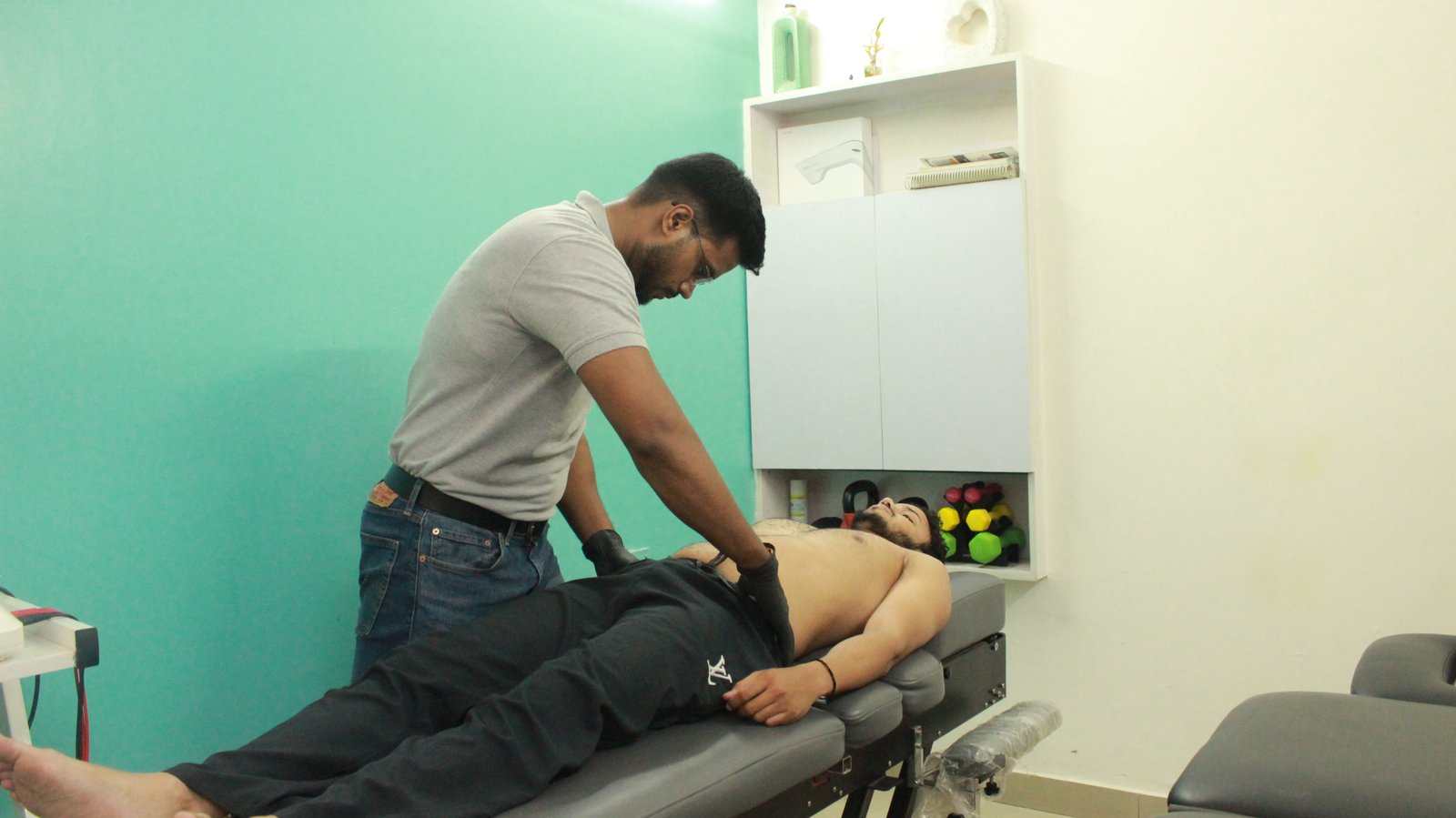
Physiotherapist performing gentle visceral manipulation therapy on a patient's abdomen at Symphysio, Sarita Vihar

What is Visceral Manipulation?

Visceral manipulation is a gentle, hands-on therapy that works with the natural movement of your internal organs — the stomach, liver, intestines, bladder, and reproductive organs — and the connective tissue that surrounds them. When these tissues tighten after illness, surgery, stress or poor posture, they can pull on nearby muscles and joints, restrict movement, and even affect how you breathe or digest.

Symphysio's visceral manipulation is delivered using technique from the Barral Institute — the organisation founded by Jean-Pierre Barral, who developed visceral manipulation as a clinical approach — so the light, targeted pressure used in each session is grounded in a well-established, internationally taught method, not an improvised add-on.

Conditions We Treat With Visceral Manipulation

Visceral manipulation is especially helpful for conditions that don't respond well to muscle-focused treatment alone, including:

  • Chronic abdominal pain and bloating — often linked to restricted organ mobility
  • Post-surgical scar tissue and adhesions — gently releasing restrictions left behind after abdominal or pelvic surgery
  • Recurring low back pain — when visceral restriction, not just muscle tightness, is part of the pattern
  • Digestive discomfort — supporting circulation and nerve signalling around the gut
  • Chronic pelvic pain and tension — including tension related to women's health
  • Breathing difficulty linked to diaphragm restriction

If you've tried physiotherapy or massage for persistent abdominal or pelvic discomfort without lasting relief, visceral manipulation addresses a layer of the body those approaches don't reach.

What to Expect During Your Session

Sessions are calm, gentle and fully clothed — using light, targeted pressure over the abdomen, pelvis, and ribcage rather than deep massage-style pressure. Here's what a session draws on:

Gentle, hands-on release

Using light, targeted pressure over the abdomen, pelvis, and ribcage, we ease tension in the ligaments and fascia that support each organ—freeing restrictions so everything moves better.

Improve organ mobility & flow

When restrictions let go, organs glide more easily with each breath, supporting circulation, lymphatic flow, and nerve signalling to reduce irritation and calm inflammation.

Harmonise muscles and organs

Tight organs can trigger surrounding muscles to guard. Restoring organ–muscle harmony relaxes the system—often easing abdominal tension and smoothing breathing.

Integrate with movement

We pair releases with simple breathing drills, pelvic-floor coordination, or gentle mobility so your body ‘remembers’ the easier pattern.

What We Assess First

  • Symptoms & history (digestive discomfort, bloating, pelvic pain, post-surgical tightness, recurring back pain).
  • Gentle palpation: how abdominal, pelvic, and rib tissues glide with breath.
  • Breathing patterns and diaphragm motion.
  • Relevant posture and movement habits that may pull on viscera.

How Many Sessions Will I Need?

That depends on your goals and how long the issue has been present. A common plan is 3–5 sessions, spaced weekly or fortnightly, then reassess. Complex post-surgical adhesions or long-standing digestive issues may need a bit longer. You’ll get simple at-home tips (diaphragmatic breathing, gentle self-release holds, hydration habits) to maintain progress.

  1. Sessions 1–2
    Calm & free
    Identify key restrictions, begin gentle releases, restore easy breath mechanics.
  2. Sessions 3–4
    Integrate
    Layer breathing, pelvic-floor coordination, and mobility for lasting change.
  3. Reassess
    Maintain
    Space visits, keep short home drills, and progress as symptoms settle.

Benefits of Visceral Manipulation

When your internal organs move freely, everything around them works better: posture improves, digestion settles, breathing becomes smoother, and pain sensitivity often drops. Instead of chasing symptoms from muscle to muscle, we address the source of tension within the body’s core system.

  • Lighter, easier posture and movement.
  • Calmer abdomen and smoother breathing.
  • Settled digestion and reduced sensitivity.
  • Long-term balance with simple home practices.
  • Reduced abdominal and pelvic tension.
  • Support for recovery after abdominal or pelvic surgery.

Why Choose Symphysio for Visceral Manipulation

Visceral manipulation at Symphysio is provided by Dr. Rahul Bhandari, trained directly through the Barral Institute in visceral manipulation technique — a specific, internationally recognised certification that not every physiotherapy clinic offers. Based in Sarita Vihar, close to Apollo Hospital Delhi, we treat patients from across Jasola, Okhla, and nearby South Delhi looking for this gentle, specialised therapy.

For patients recovering from abdominal or pelvic surgery, visceral manipulation is often paired with our Post-Surgery Recovery & Rehabilitation program, so scar tissue mobility and overall strength rebuilding progress together.

Frequently Asked Questions

No — it's one of the gentlest therapies we offer. The pressure used is light and targeted, closer to a gentle hold than deep massage, so most patients find sessions relaxing rather than uncomfortable.

A common plan is 3–5 sessions, spaced weekly or fortnightly, then reassess. Complex post-surgical adhesions or long-standing digestive issues may need a bit longer, and we'll adjust the plan based on how you respond.

Yes — by easing restrictions around the stomach and intestines, visceral manipulation can support better organ mobility, circulation and nerve signalling, which often helps with bloating and general digestive discomfort.

Yes, once your surgeon confirms you're sufficiently healed — it's actually one of the more effective ways to gently address scar tissue and adhesions left behind after abdominal or pelvic surgery. We'll always confirm timing with your surgical team's guidance in mind.

It's commonly used for chronic abdominal pain, bloating, post-surgical scar tissue, recurring low back pain linked to visceral restriction, chronic pelvic tension, and breathing difficulty related to diaphragm restriction.

Massage typically works on muscles, while visceral manipulation works with the internal organs and the connective tissue around them — using light, specific pressure rather than the broader kneading of a muscle-focused massage.

No — sessions are done fully clothed. We work through light clothing over the abdomen, pelvis and ribcage, so there's no need to change for your appointment.

Ready to Feel the Difference?

Book a visceral manipulation session with Symphysio in Sarita Vihar and find lasting relief from the inside out.

Book a Session