
Frozen Shoulder Treatment
Stage-specific physiotherapy to restore shoulder movement and relieve frozen shoulder pain, in Sarita Vihar, Delhi NCR.
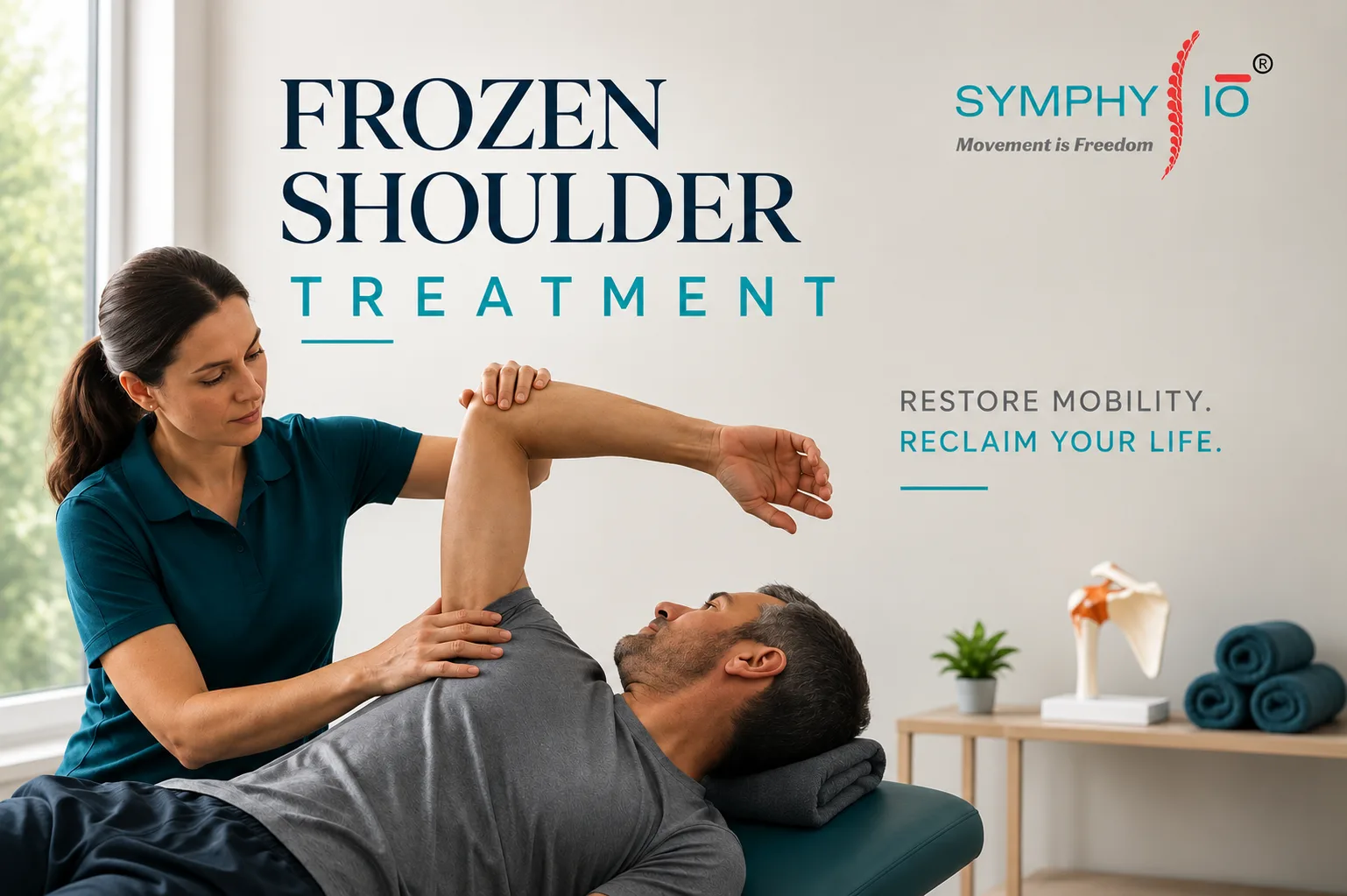
Frozen Shoulder
What Is Frozen Shoulder?
Frozen shoulder, medically known as adhesive capsulitis, is a condition characterized by progressive pain and stiffness in the shoulder joint, caused by thickening and tightening of the joint capsule surrounding the shoulder. Unlike general shoulder pain, frozen shoulder follows a fairly predictable, staged course — and effective treatment depends heavily on correctly identifying which stage you're in, since the right approach differs significantly between them.
Frozen shoulder can develop gradually without an obvious cause, or following a period of shoulder immobility (such as after injury or surgery elsewhere in the body). It typically affects one shoulder at a time, though a small proportion of patients later develop it in the other shoulder as well.
Symptoms & Causes
Frozen shoulder typically progresses through three stages. Common symptoms include:
- Freezing stage — gradually increasing pain, often worse at night, with progressively worsening stiffness
- Frozen stage — pain may ease somewhat, but stiffness becomes significant, with substantial loss of shoulder movement in multiple directions
- Thawing stage — gradual, spontaneous improvement in range of motion over time
- Progressive difficulty reaching overhead, behind the back, or out to the side
- Deep, aching shoulder pain, often worse at night and disrupting sleep
- Significant stiffness affecting daily tasks like dressing or reaching for objects
- Pain that can radiate into the upper arm
Common contributing factors:
- Periods of shoulder immobility (post-surgery, post-injury, or after a stroke)
- Diabetes, which is associated with a notably higher risk of frozen shoulder
- Thyroid conditions
- Being in the 40-60 age range, when frozen shoulder is most common
- Sometimes no clear identifiable cause at all
How We Assess It
Assessment focuses on accurately identifying your specific stage and functional limitations:
- Stage identification — determining whether you're in the freezing, frozen, or thawing stage, based on your pain pattern, symptom duration, and range of motion findings
- Range of motion testing — measuring exactly how much movement is available in each direction (forward reach, rotation, reaching behind the back)
- Pain pattern assessment — understanding your pain triggers, night pain severity, and how it's affecting sleep and daily function
- Screening for contributing factors — including relevant medical history such as diabetes or thyroid conditions, and any recent periods of shoulder immobility
Correctly identifying your stage is essential, because pushing too aggressively during the freezing stage can worsen pain, while being too conservative during the thawing stage can slow recovery unnecessarily.
Our Treatment Approach
Treatment is tailored specifically to your current stage:
- During the freezing stage — gentle pain management techniques, protecting the shoulder from unnecessary aggravation, and carefully dosed gentle movement within comfortable limits
- During the frozen stage — progressive manual therapy and joint mobilization to address capsular restriction, combined with a structured stretching and mobility program
- During the thawing stage — progressive strengthening and functional retraining to rebuild full strength and confidence as range of motion returns
Throughout all stages, treatment includes manual therapy (joint mobilization techniques appropriate to your current stage), a guided stretching program dosed to your stage, pain management strategies (particularly important during the freezing stage when night pain can be significant), and progressive strengthening introduced as stiffness begins to resolve.
Benefits of Treatment
- Reduces pain, particularly disruptive night pain during the freezing stage
- Restores shoulder range of motion progressively and safely
- Shortens the overall duration of symptoms compared to no treatment in many cases
- Prevents secondary problems (neck and upper back compensation patterns) that can develop from prolonged shoulder restriction
- Rebuilds full strength and function once mobility returns
- Provides stage-appropriate guidance, avoiding the common mistake of one-size-fits-all treatment
Who Should Consider This / Contraindications
Physiotherapy is beneficial at every stage of frozen shoulder, though the treatment emphasis changes significantly depending on where you are in the condition's course. It's approached with caution — and alongside medical evaluation — in cases of:
- Suspected rotator cuff tear or other structural shoulder injury presenting alongside stiffness (these can sometimes be confused with frozen shoulder but require different management)
- Recent shoulder fracture or dislocation
- Signs of infection in the joint
Our therapists carefully assess to confirm frozen shoulder as the diagnosis before proceeding, since several other shoulder conditions can present with similar stiffness.
Frequently Asked Questions
Without treatment, frozen shoulder can take anywhere from 1-3 years to fully resolve on its own, moving through its three stages. Appropriate physiotherapy can help manage pain more effectively and may shorten the overall duration, particularly by preventing secondary complications.
Night pain is a hallmark feature of the freezing stage of frozen shoulder, often related to positioning and pressure on the inflamed joint capsule during sleep. Your therapist can offer specific strategies to help manage this.
Not necessarily, particularly during the freezing stage — aggressive stretching too early can increase pain and irritation. Treatment intensity should match your current stage, which is why accurate assessment matters.
Yes, there's a well-established higher incidence of frozen shoulder in people with diabetes. If you have diabetes, this is an important part of your assessment and ongoing management discussion.
Recurrence in the same shoulder is uncommon once fully resolved, though a small percentage of patients later develop frozen shoulder in the opposite shoulder.
Generally yes, within your comfortable range — your therapist will guide you on appropriate activity modification for your current stage rather than complete immobilization, which isn't beneficial.
Not usually — frozen shoulder is typically diagnosed clinically based on your symptom pattern and characteristic loss of range of motion. Imaging may be used to rule out other conditions if the presentation isn't clear.
Frozen shoulder involves progressive stiffness affecting movement in multiple directions due to capsular tightening, while rotator cuff injuries typically involve specific movement weakness or pain with certain motions, often without the same degree of generalized stiffness. Assessment helps distinguish between them, as treatment differs.
Early, guided movement following surgery (as appropriate to your specific procedure) can help reduce the risk of frozen shoulder developing — this is part of why structured post-surgical rehabilitation matters.
This depends heavily on which stage you're in and the overall severity, but frozen shoulder generally requires an extended treatment course given the condition's naturally prolonged timeline — your therapist will outline realistic expectations based on your specific stage.
Related Treatments
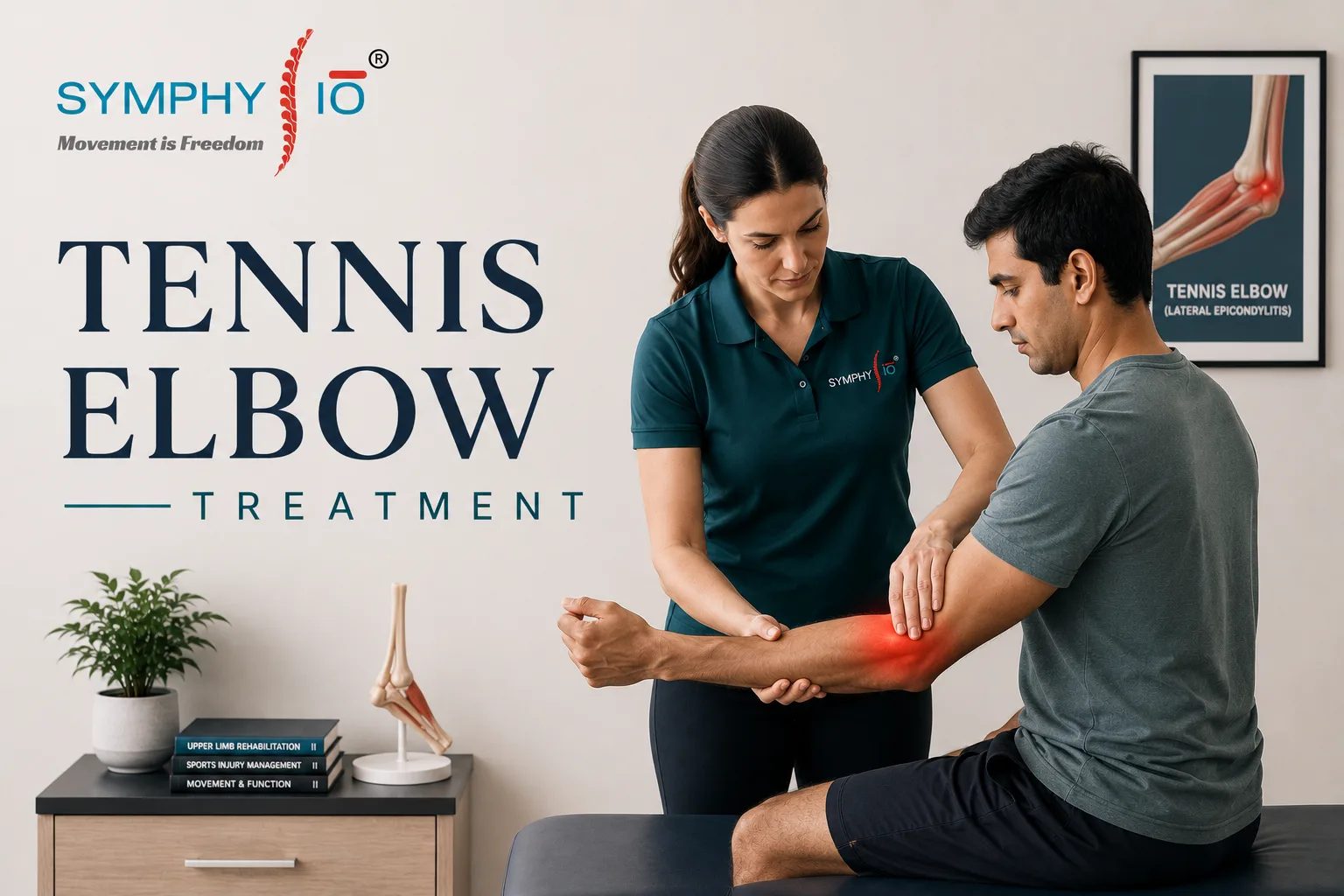
Tennis Elbow
Physiotherapy for tennis elbow (lateral epicondylitis) in Sarita Vihar, Delhi NCR — root-cause assessment, hands-on therapy & progressive loading rehab.
Learn More
Sports Injury Rehab
Sports injury physiotherapy in Sarita Vihar, Delhi NCR — root-cause assessment, hands-on rehab & return-to-sport programs for athletes.
Learn More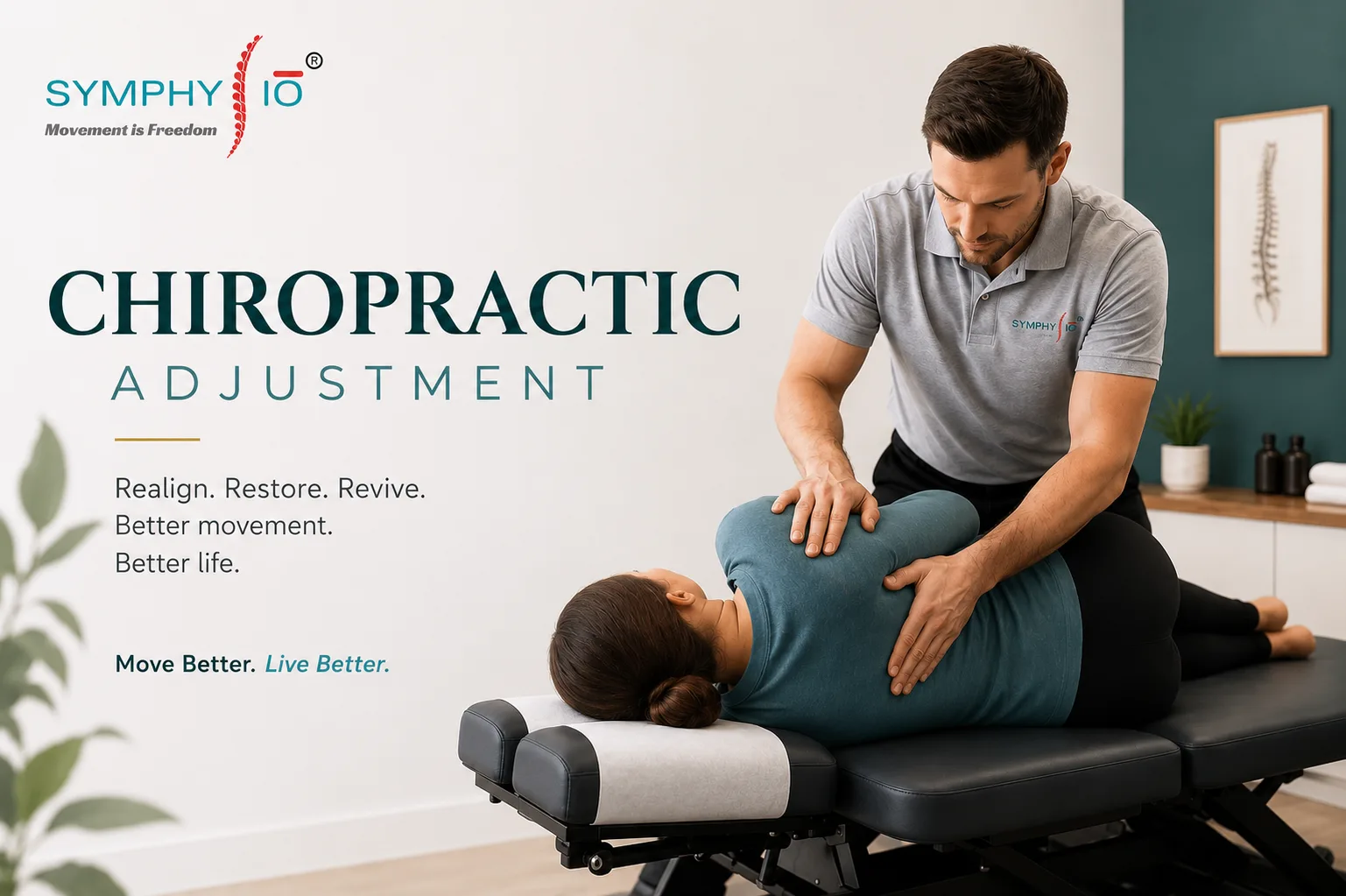
Chiropractic Adjustment
Chiropractic Adjustment in Sarita Vihar, Delhi NCR — physiotherapist-led spinal manipulation for mechanical neck & back pain.
Learn MoreFrozen Shoulder in Sarita Vihar & South Delhi
Symphysio provides frozen shoulder to patients across South Delhi. Our clinic in Sarita Vihar is easily accessible from:
Not sure if we cover your area? Contact us.
Don't Let a Frozen Shoulder Limit Your Movement
Book a stage-specific assessment with Symphysio in Sarita Vihar today.