
Visceral Manipulation
Gentle, precise therapy addressing the internal organs and connective tissue — Symphysio's signature root-cause approach, in Sarita Vihar, Delhi NCR.
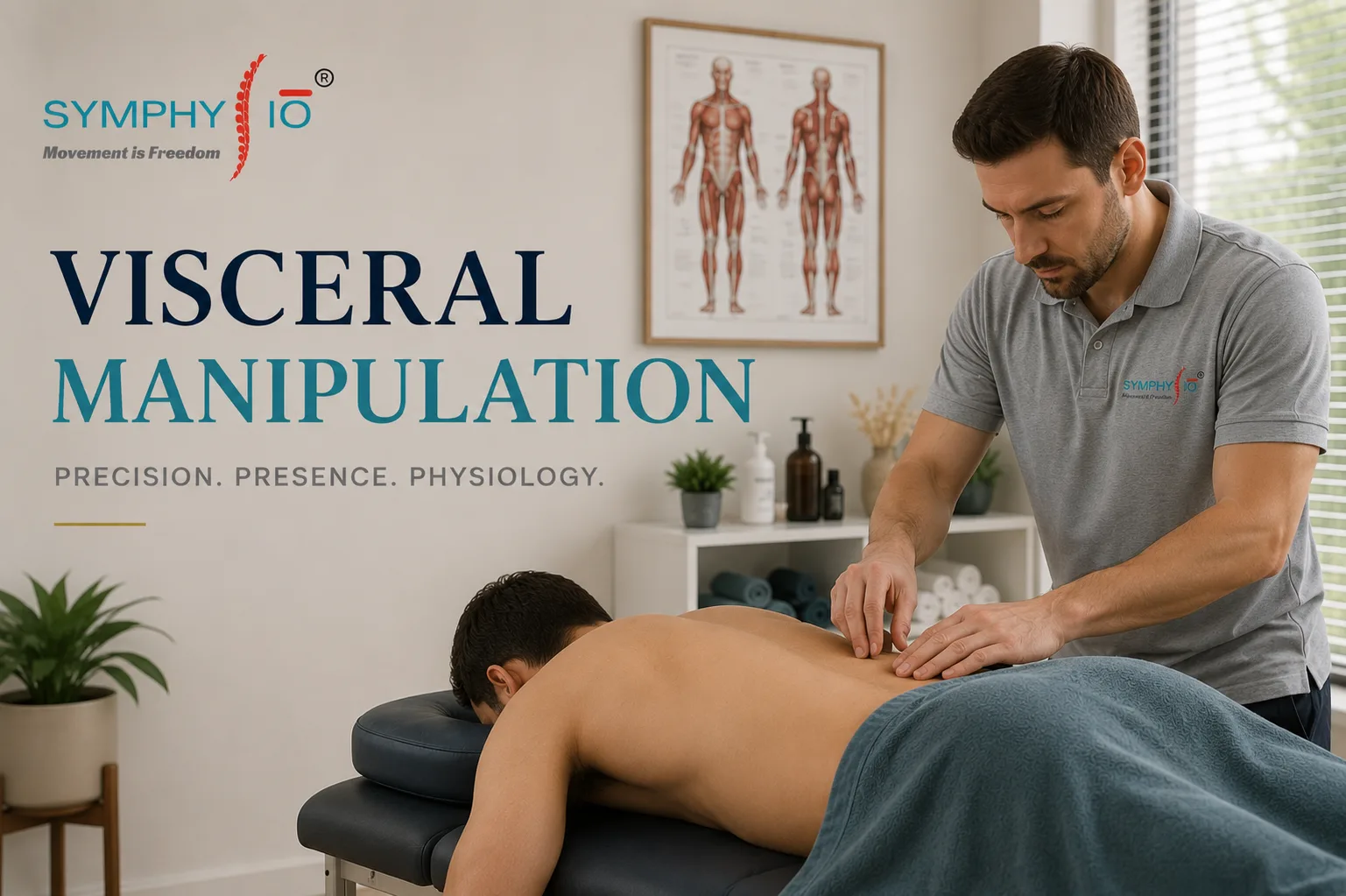
Visceral Manipulation
Signature TreatmentWhat Is Visceral Manipulation?
Visceral Manipulation is a gentle, hands-on manual therapy technique that evaluates and treats the mobility and motion of the internal organs — the viscera — and their connective tissue attachments to the musculoskeletal system. Organs like the liver, stomach, intestines, and kidneys are meant to glide and move subtly with every breath and movement of the body. When an organ loses this natural mobility — due to surgery, inflammation, poor posture, or adhesions — it can create tension patterns that radiate outward into the spine, hips, shoulders, or pelvis, often presenting as pain that seems to have no obvious musculoskeletal cause.
Developed by French osteopath Jean-Pierre Barral, Visceral Manipulation uses specific, gentle manual pressure and listening techniques to detect areas of restricted movement within the abdominal and thoracic cavity, then works to restore normal mobility and function. At Symphysio, this technique represents a genuinely different way of approaching chronic, unexplained pain — one that looks beyond the musculoskeletal system entirely when standard treatment hasn't provided lasting answers.
Symptoms & Causes
Patients who benefit from Visceral Manipulation often present with:
- Unexplained chronic back or pelvic pain that hasn't responded to standard physiotherapy
- Digestive discomfort occurring alongside musculoskeletal pain
- Post-surgical scar tissue restrictions (C-section, appendectomy, gallbladder removal, and similar procedures)
- Pelvic floor dysfunction or referred pelvic pain
- Postural imbalances linked to breathing pattern disorders
- Restricted rib cage or diaphragm mobility affecting neck and shoulder tension
- Pain patterns that don't fit a clear musculoskeletal explanation despite thorough investigation
Organs typically lose their natural mobility due to:
- Surgery
- Inflammation
- Poor posture
- Adhesions
How We Assess It
Assessment for Visceral Manipulation is detailed and specific:
- Comprehensive history — covering surgical background, digestive health, breathing patterns, and how your pain behaves in relation to eating, digestion, or specific postures
- Manual palpation assessment — a trained, gentle hands-on evaluation of organ mobility, tissue tension, and fascial glide across the abdomen, thorax, and pelvis
- Correlation with symptom pattern — connecting what's found during palpation with your reported pain pattern, posture, and functional limitations
This assessment often reveals connections between organ mobility restrictions and pain patterns that standard musculoskeletal assessment alone wouldn't identify.
Our Treatment Approach
Treatment involves slow, sustained, gentle manual pressure applied to specific visceral and fascial restrictions identified during assessment. Sessions are calm and non-invasive — patients often describe the sensation as light, deep pressure rather than manipulation in the traditional sense associated with joint adjustment. Visceral Manipulation is frequently combined with:
- Breathing re-education — since diaphragm function and visceral mobility are closely linked
- Postural correction — addressing compensatory patterns that develop around visceral restrictions
- Complementary manual therapy — such as Fascial Manipulation, where broader connective tissue restrictions are also present
Progress is often gradual and cumulative, with many patients noticing changes in both pain patterns and digestive comfort over a course of treatment.
Benefits of Treatment
- Reduces chronic, unexplained back and pelvic pain
- Improves mobility around old surgical scar tissue
- Supports better breathing mechanics and diaphragm function
- Complements pelvic floor and women's health physiotherapy
- Addresses root-cause tension patterns rather than only local symptoms
- Offers a genuinely different avenue for patients who haven't found answers through standard treatment alone
Who Should Consider This / Contraindications
Visceral Manipulation is well suited to patients with chronic, recurring pain that hasn't resolved with conventional treatment, and to those recovering from abdominal or pelvic surgery once fully healed. It's a particularly valuable option for patients who feel they've "tried everything" without finding lasting relief. It should be approached cautiously, and only after medical clearance, in cases of:
- Active infection
- Recent, unhealed surgical wounds
- Suspected malignancy in the treatment area
- Aortic aneurysm
- Pregnancy, in certain treatment areas, requiring modified technique
Our therapists always screen carefully for these factors before beginning treatment.
Frequently Asked Questions
Visceral Manipulation targets the mobility of internal organs and their fascial connections specifically, using very light, sustained pressure guided by precise assessment — it isn't a general relaxation massage, and the techniques and goals are quite different.
Yes, it's often specifically used to address post-surgical scar tissue restrictions, but treatment only begins after the surgical site has fully healed and with medical clearance where needed.
This varies by case, but most patients begin noticing changes within 3-5 sessions. A full assessment will give you a personalized treatment timeline based on your specific presentation.
Many patients notice improvements in digestive comfort alongside pain relief, since organ mobility and digestive function are closely connected, though Visceral Manipulation is not a replacement for medical management of digestive conditions.
No, the technique uses very gentle, sustained pressure and is generally described as comfortable rather than painful — quite different from the sensation of deep tissue work or joint manipulation.
Organs are connected to surrounding structures through fascial and ligamentous attachments. When an organ loses normal mobility, this can create tension that transmits through these connections into the spine, hips, or pelvis — even though the pain feels musculoskeletal.
Visceral Manipulation is a recognized manual therapy technique used by physiotherapists and osteopaths internationally, developed from clinical observation of organ-musculoskeletal relationships. As with many manual therapy techniques, ongoing research continues to explore its mechanisms, and it's typically used as part of a broader, comprehensive treatment approach rather than in isolation.
Yes, it's often used alongside women's health physiotherapy for pelvic floor dysfunction, since pelvic organ mobility and pelvic floor function are closely interconnected.
Patients with chronic, unexplained pain that hasn't responded to standard treatment, those with post-surgical scar tissue restrictions, and patients experiencing pain alongside digestive or breathing pattern issues often see the most benefit.
No — while it directly addresses the abdominal and thoracic organs, its effects often extend to back, pelvic, hip, and even shoulder pain, given how interconnected the body's fascial and organ systems are.
Related Treatments
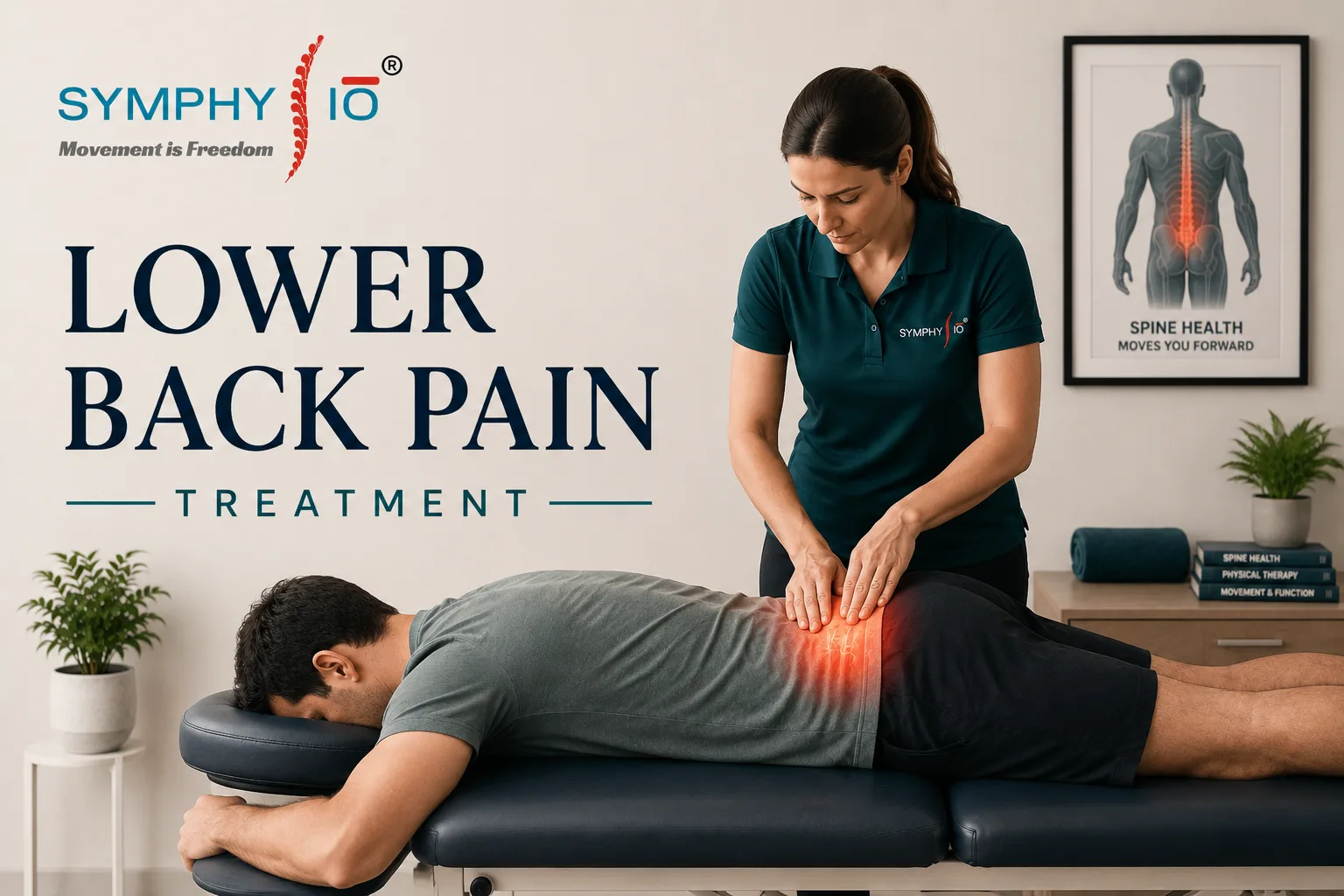
Back Pain
Expert back pain physiotherapy in Sarita Vihar, Delhi NCR — root-cause assessment, hands-on manual therapy & exercise rehab for lasting relief.
Learn More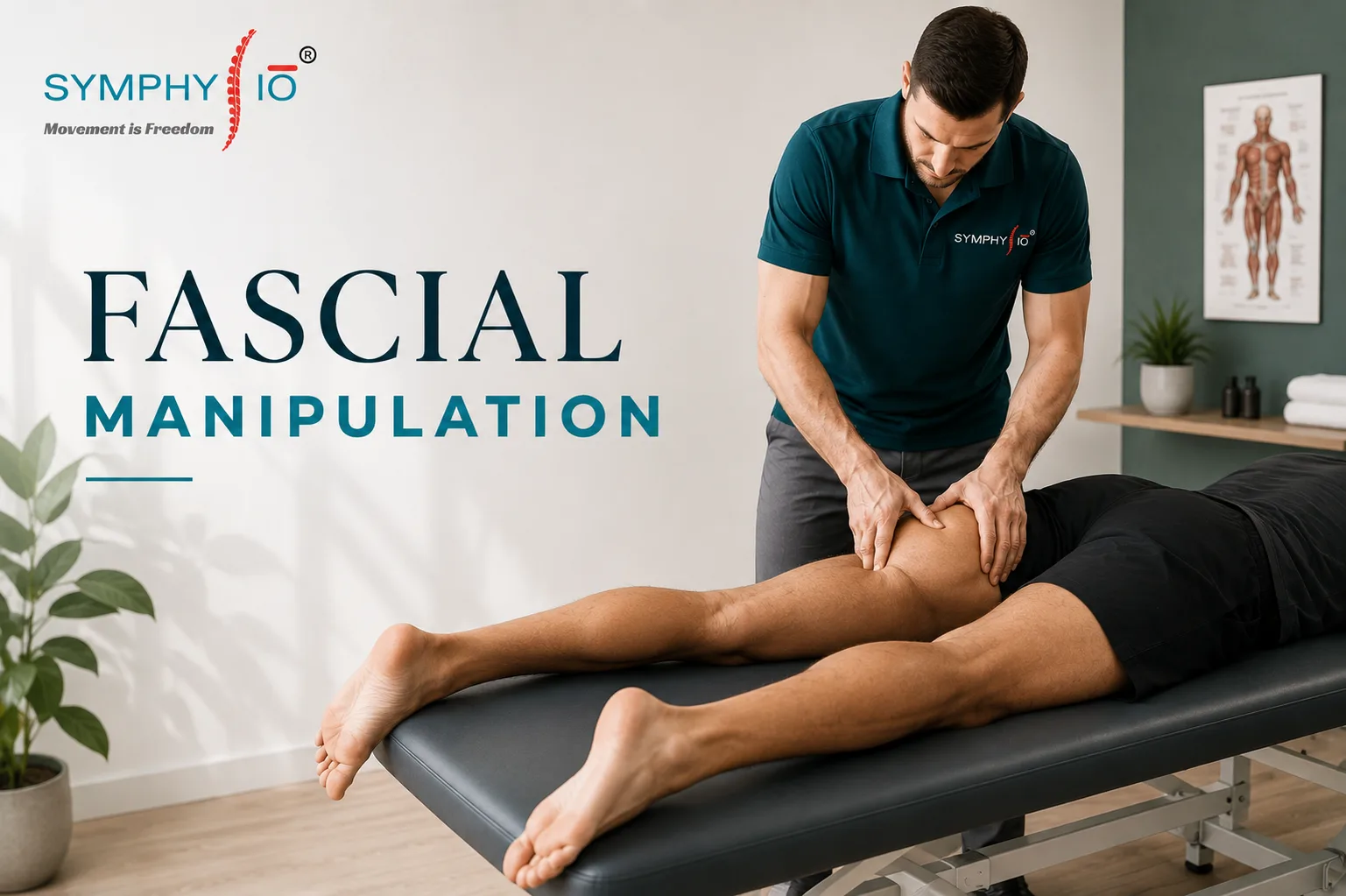
Fascial Manipulation
Fascial Manipulation therapy in Sarita Vihar, Delhi NCR — advanced deep tissue technique treating chronic myofascial pain at its true origin.
Learn More
Women's Health Physiotherapy
Women's health physiotherapy in Sarita Vihar, Delhi NCR — pelvic floor, pregnancy & postnatal care in a private, supportive setting.
Learn MoreVisceral Manipulation in Sarita Vihar & South Delhi
Symphysio provides visceral manipulation to patients across South Delhi. Our clinic in Sarita Vihar is easily accessible from:
Not sure if we cover your area? Contact us.
Discover a Genuinely Different Approach to Chronic Pain
Book a Visceral Manipulation assessment with Symphysio in Sarita Vihar today.