
Back Pain Physiotherapy Treatment
Root-cause assessment and advanced hands-on rehabilitation to relieve back pain and prevent it from coming back — right here in Sarita Vihar, Delhi NCR.

Back Pain
What Is Back Pain?
Back pain physiotherapy is a structured, evidence-informed treatment approach for pain arising from the muscles, ligaments, joints, or discs of the spine. Rather than relying solely on rest or medication, physiotherapy focuses on restoring movement, correcting the mechanical factors driving the pain, and building the strength and control needed to prevent it from recurring.
Back pain is one of the most common reasons people seek physiotherapy — and also one of the most frequently mismanaged, because generic advice ("just rest" or "just stretch") rarely addresses the actual cause. At Symphysio, every back pain case begins with a detailed assessment to determine whether the pain is muscular, joint-related, disc-related, or a combination, because each of these responds to a different treatment approach.
Symptoms & Causes
Common symptoms include:
- Dull, aching, or sharp pain in the lower or upper back
- Stiffness that's worse in the morning or after prolonged sitting
- Pain that worsens with bending, lifting, or twisting
- Muscle spasm or tightness around the spine
- Reduced ability to stand or sit for extended periods
- Pain that improves with movement but returns after inactivity
Common underlying causes:
- Poor posture from prolonged desk or screen work
- Muscle strain from sudden movement or overexertion
- Sedentary lifestyle and weak core musculature
- Previous injury that never fully rehabilitated
- Age-related degenerative changes in the spine
- Poor lifting mechanics or repetitive strain at work
How We Assess It
Assessment at Symphysio begins with a detailed history — how the pain started, what makes it better or worse, and how it's affecting your daily activities and work. This is followed by a physical examination covering:
- Spinal range of motion and movement quality
- Muscle strength and endurance testing
- Postural assessment (standing, sitting, and functional positions)
- Palpation of the spine and surrounding soft tissue to localize the pain source
- Neurological screening to rule out nerve involvement (reflexes, sensation, strength)
Where relevant, we review any existing imaging (X-ray/MRI) to confirm the structural picture, though most mechanical back pain can be accurately assessed clinically without imaging.
Our Treatment Approach
Treatment plans are built around what the assessment reveals, and typically combine:
- Manual therapy — joint mobilization and soft tissue release to reduce stiffness and pain
- Core stabilization exercises — building the deep trunk muscles that support the spine
- Postural retraining — correcting the sitting, standing, and movement patterns that load the spine unnecessarily
- Ergonomic advice — practical changes to your workstation, sleep position, or daily habits
- Dry Needling or Fascial Manipulation — added where persistent muscular tension doesn't resolve with manual therapy and exercise alone
Sessions are structured to progress you from pain relief toward long-term strength and resilience, rather than stopping once acute pain settles.
Benefits of Treatment
- Reduces pain intensity and frequency
- Restores normal spinal mobility and function
- Builds core strength to prevent recurrence
- Improves posture and movement mechanics for daily life and work
- Reduces dependence on pain medication
- Helps you return to sport, exercise, or physical work with confidence
Who Should Consider This / Contraindications
Physiotherapy is appropriate for most patients with mechanical or muscular back pain, whether it's a recent strain or a long-standing recurring issue. It should be approached cautiously — and only after medical evaluation — in cases of:
- Suspected spinal fracture or recent significant trauma
- Signs of infection (fever with back pain)
- Suspected tumor or unexplained weight loss with back pain
- Progressive neurological deficit — loss of bladder/bowel control or progressive limb weakness (these require urgent medical evaluation, not physiotherapy, as they may indicate a medical emergency)
Our therapists screen for these red flags at your very first visit.
 Temporary stock photo — replace before launch
Frequently Asked Questions
A physiotherapy assessment, including movement testing and neurological screening, can usually distinguish between them. Warning signs of something more serious include pain radiating below the knee, numbness, weakness, or pain with fever — these warrant prompt evaluation.
Many patients notice meaningful improvement within 3-5 sessions, with a full program typically spanning several weeks depending on how long the pain has been present and its underlying cause.
Generally no — prolonged bed rest can actually slow recovery and lead to deconditioning. Modern physiotherapy favors guided movement and activity modification over rest.
Yes, prolonged poor posture increases mechanical load on the spine over time and is one of the most common contributing factors we see, particularly in patients with sedentary jobs.
Usually not entirely — your therapist will modify your activity level and guide you on which movements to avoid temporarily while keeping you as active as safely possible.
Not always. Most mechanical back pain can be assessed and treated clinically without imaging. Imaging is recommended when red-flag symptoms are present or when symptoms don't improve as expected.
Acute back pain (recent onset) often responds quickly to manual therapy and activity modification. Chronic back pain (present for 3+ months) usually needs a more comprehensive program addressing movement patterns, strength deficits, and sometimes pain sensitization — treatment plans differ accordingly.
Yes — hip dysfunction, tight hamstrings, or even visceral (organ-related) restrictions can refer pain into the back. This is why a thorough assessment matters rather than assuming the spine is always the direct source.
Manual therapy is effective for short-term pain and stiffness relief, but combining it with targeted exercise produces significantly better long-term outcomes and reduces the chance of the pain returning.
If you have fever, unexplained weight loss, progressive weakness, or loss of bladder/bowel control alongside back pain, seek immediate medical evaluation rather than starting physiotherapy.
Related Treatments

Sciatica
Physiotherapy for sciatica in Sarita Vihar, Delhi NCR — root-cause nerve assessment, hands-on therapy & targeted rehab for lasting relief.
Learn More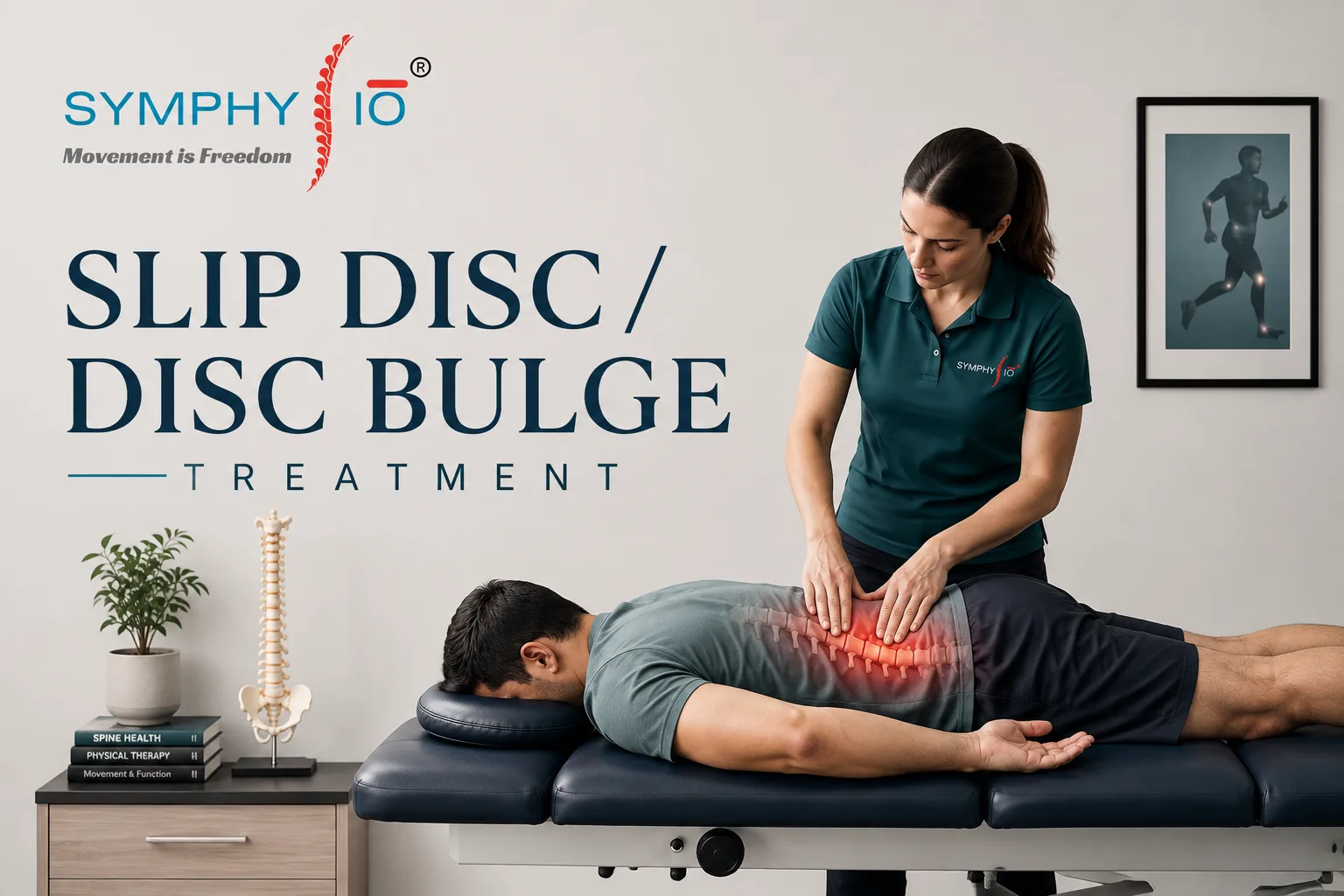
Slip Disc / Disc Bulge
Non-surgical physiotherapy for slip disc & disc bulge in Sarita Vihar, Delhi NCR — root-cause nerve assessment, directional exercise therapy & hands-on rehab.
Learn More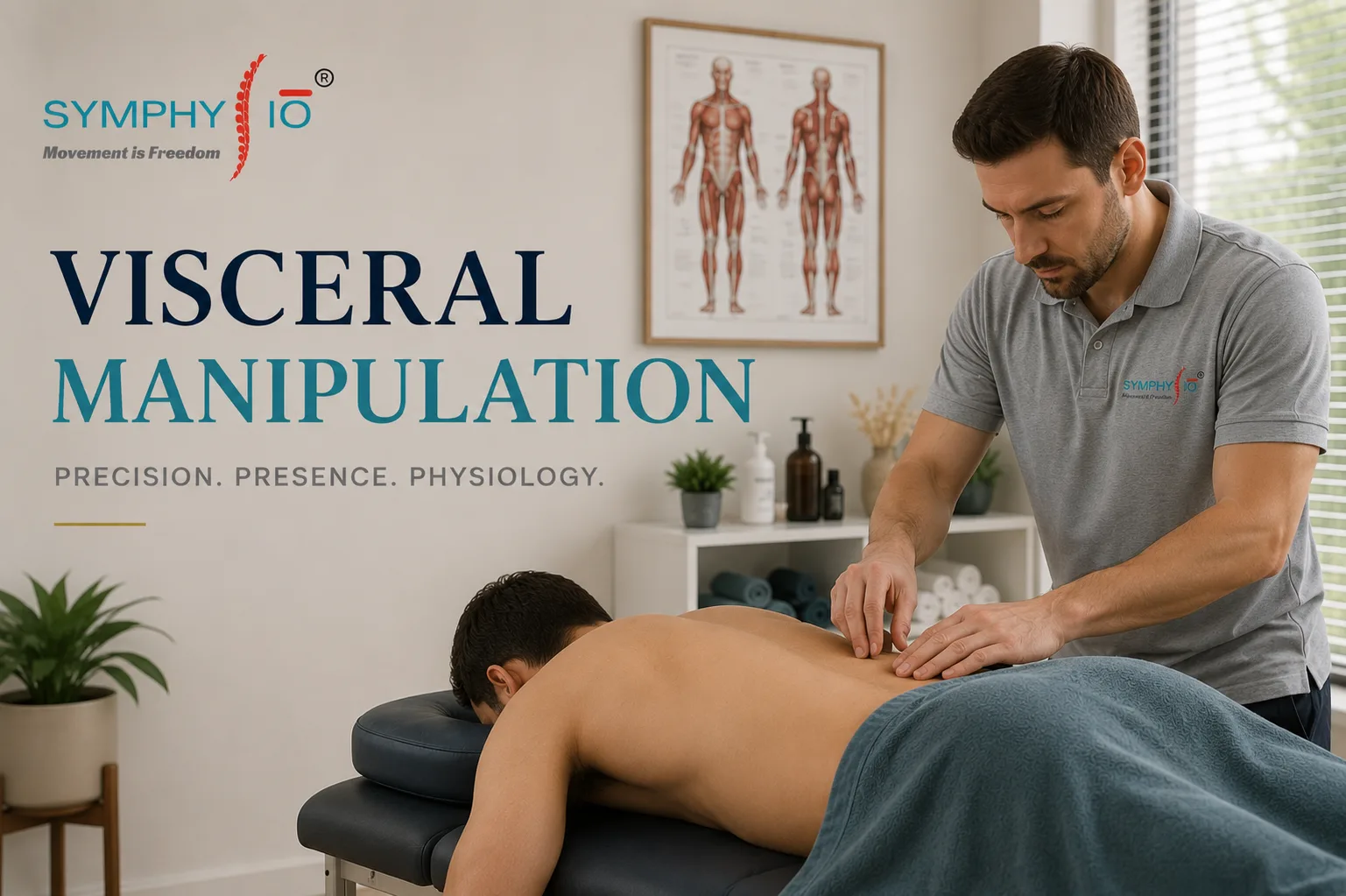
Visceral Manipulation
SignatureVisceral Manipulation therapy in Sarita Vihar, Delhi NCR — gentle, root-cause treatment for chronic pain linked to organ and fascial mobility.
Learn MoreBack Pain in Sarita Vihar & South Delhi
Symphysio provides back pain to patients across South Delhi. Our clinic in Sarita Vihar is easily accessible from:
Not sure if we cover your area? Contact us.
Don't Let Back Pain Limit Your Life
Book a root-cause assessment with Symphysio in Sarita Vihar today.