
Posture & Ergonomics Correction
Practical, personalized guidance to correct posture and prevent desk-related pain before it starts, in Sarita Vihar, Delhi NCR.
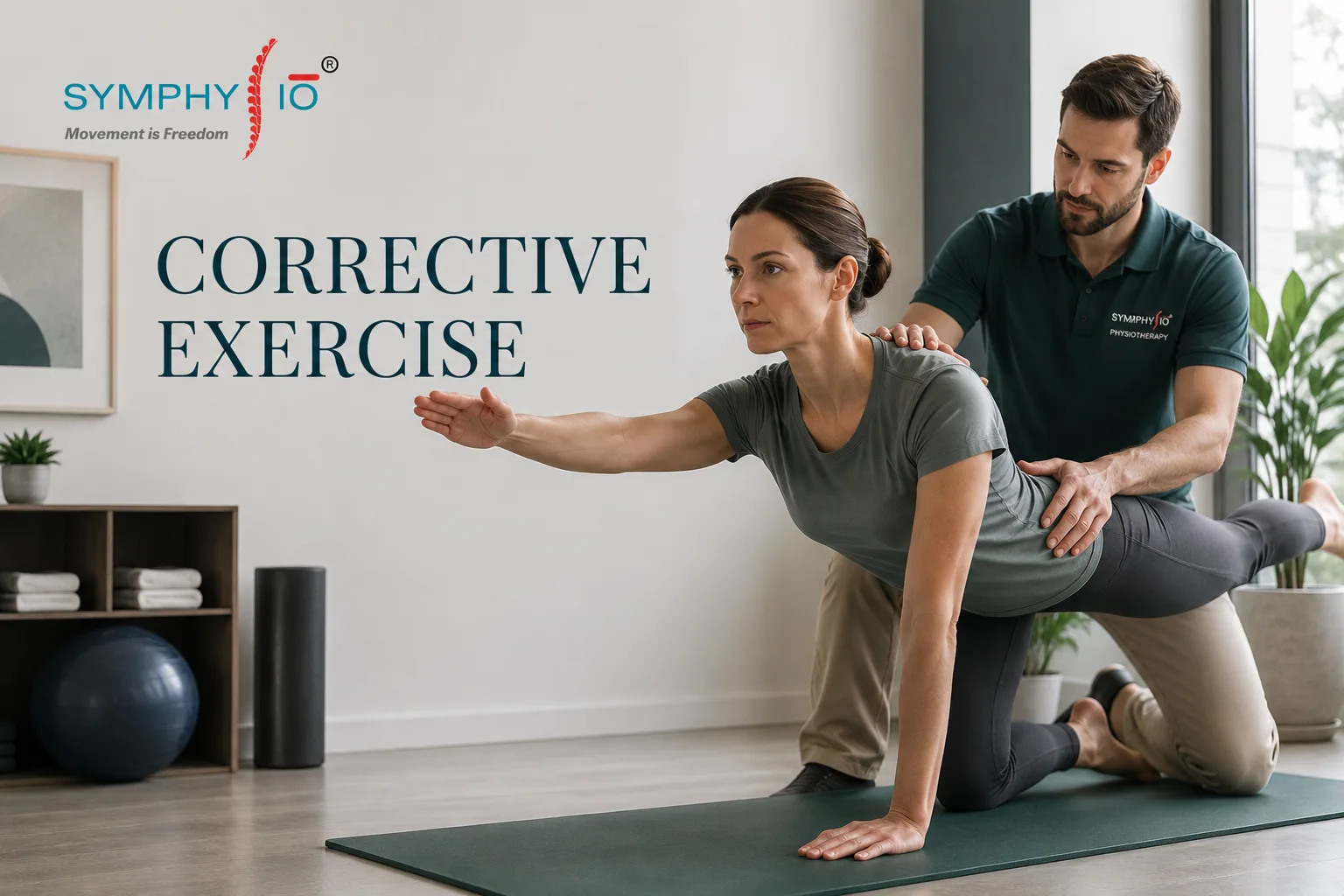
Posture & Ergonomics
What Is Posture & Ergonomics?
Posture and ergonomics correction is a proactive physiotherapy service focused on identifying and addressing the postural patterns and workstation setups that contribute to musculoskeletal pain — before it develops into a chronic problem, or as a key part of preventing recurrence after treatment for conditions like neck or back pain.
With increasingly desk-based and screen-heavy lifestyles, poor posture and ergonomic setup have become one of the most common underlying contributors to neck pain, back pain, and headaches. At Symphysio, this service goes beyond generic "sit up straight" advice, offering a genuinely personalized assessment of how you move, sit, and work — and specific, practical changes that actually fit your daily life.
Symptoms & Causes
This service is relevant for anyone experiencing, or wanting to prevent:
- Recurring neck, shoulder, or back pain linked to prolonged sitting or screen use
- Postural changes — forward head position, rounded shoulders, or slouched sitting posture
- Muscle fatigue and tension from sustained static positions
- Headaches linked to postural strain
- General stiffness or discomfort that builds throughout the workday
- Concern about preventing pain recurrence after completing treatment for another condition
Common contributing factors:
- Poor workstation ergonomics — incorrect monitor height, unsupportive chair, poorly positioned keyboard and mouse
- Prolonged static sitting without adequate movement breaks
- Habitual postural patterns developed over years, often unconsciously
- Device use habits — particularly prolonged phone or laptop use in non-ergonomic positions
- Lack of postural muscle strength and endurance to maintain good alignment over time
How We Assess It
Assessment is genuinely practical and personalized:
- Postural analysis — assessing your standing, sitting, and functional movement posture to identify specific patterns and imbalances
- Movement and muscle assessment — checking for muscle tightness, weakness, or imbalances contributing to your postural pattern
- Workstation and habit review — understanding your actual daily setup and habits (desk, chair, monitor position, device use) rather than offering generic advice
- Symptom correlation — connecting your specific pain pattern to postural and ergonomic contributing factors identified during assessment
This assessment produces genuinely practical, individualized recommendations rather than a one-size-fits-all checklist.
Our Treatment Approach
Treatment and guidance typically includes:
- Postural correction exercises — specific exercises to address the muscle imbalances underlying your postural pattern (often strengthening postural muscles that have become weak, and releasing muscles that have become chronically tight)
- Practical ergonomic adjustments — specific, actionable recommendations for your workstation setup — monitor height, chair support, keyboard and mouse position — tailored to your actual environment
- Movement break strategies — practical guidance on incorporating regular movement into a desk-based day, since even a perfect static posture held too long becomes problematic
- Manual therapy — where postural patterns have already created muscle tightness or joint stiffness, to address the current discomfort alongside the underlying pattern
- Habit and awareness coaching — helping you recognize and correct postural habits in daily life, not just during dedicated exercise time
The goal is a sustainable, realistic approach that fits your actual work and lifestyle, rather than idealized advice that's difficult to maintain.
Benefits of Treatment
- Reduces or prevents recurring neck, shoulder, and back pain linked to posture
- Provides practical, specific ergonomic changes rather than generic advice
- Builds postural muscle strength and endurance for lasting improvement
- Reduces headache frequency where postural strain is a contributing factor
- Supports long-term prevention after completing treatment for another condition
- Improves comfort and productivity during desk-based work
Who Should Consider This / Contraindications
Posture and ergonomics correction is valuable for almost anyone spending significant time at a desk or in sustained postures, whether as a standalone preventive service or as part of a broader treatment plan for neck pain, back pain, or headaches. There are no significant contraindications to this service — it's suitable for most people, with one exception:
- Those with an underlying, undiagnosed condition causing their symptoms should have this assessed first, since postural correction addresses contributing factors rather than serving as a substitute for diagnosis and treatment of a specific underlying condition.
Frequently Asked Questions
No — effective posture correction addresses the underlying muscle imbalances, workstation setup, and movement habits contributing to your specific pattern, which is far more comprehensive and sustainable than simply being told to sit up straight.
Many patients notice reduced discomfort within a few weeks of consistent exercise and ergonomic changes, though building lasting postural change and muscle endurance is typically an ongoing process over a longer period.
Not necessarily — many effective ergonomic improvements involve adjusting existing furniture and equipment (chair height, monitor position, keyboard placement) rather than requiring significant purchases. Your therapist will focus on practical, achievable changes first.
Yes, where headaches have a postural or neck-related component, addressing the underlying postural pattern can meaningfully reduce headache frequency, often alongside other headache-specific treatment.
No, postural patterns can improve at any stage with appropriate exercise and awareness, though longstanding patterns may take more consistent effort to shift than recently developed ones.
It can be valuable as a preventive measure, particularly if you spend significant time at a desk or have risk factors for postural strain, even without current symptoms — prevention is often easier than treating an established problem.
Not entirely — the goal is practical, sustainable adjustments and better movement habits rather than an unrealistic, rigid "perfect posture" that's impossible to maintain throughout a workday.
Yes, it's frequently incorporated as part of broader treatment plans for neck pain, back pain, and headaches, both to support current recovery and prevent recurrence going forward.
General guidance often suggests every 30-45 minutes, but your therapist can give you personalized recommendations based on your specific role, symptoms, and daily schedule.
No, while desk-based work is a common context, postural assessment is relevant for anyone with sustained positions in their daily activities — including students, drivers, and various physically demanding occupations with repetitive postural demands.
Related Treatments
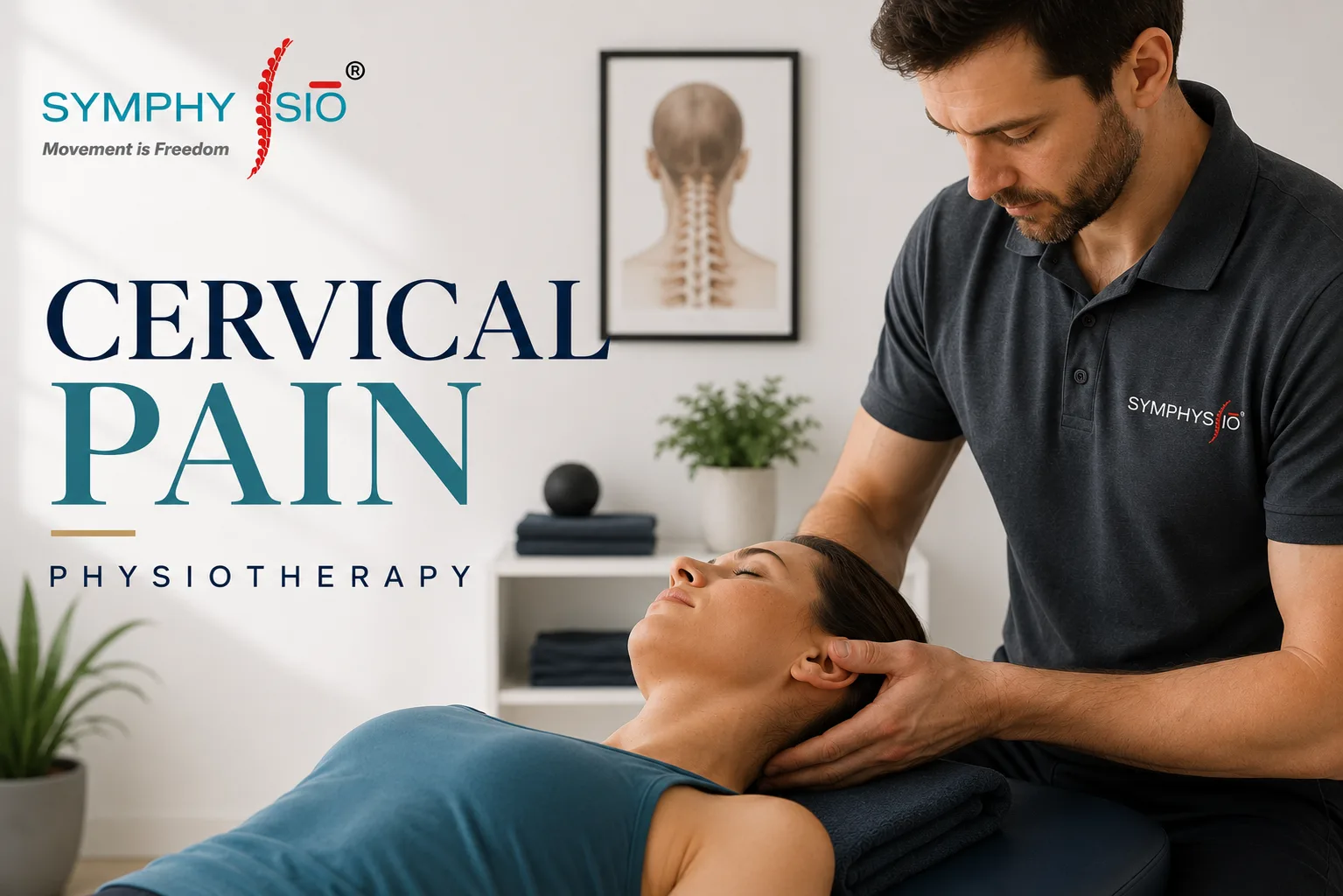
Neck & Cervical Pain
Physiotherapy for neck & cervical pain in Sarita Vihar, Delhi NCR — root-cause postural assessment, hands-on therapy & targeted rehab.
Learn More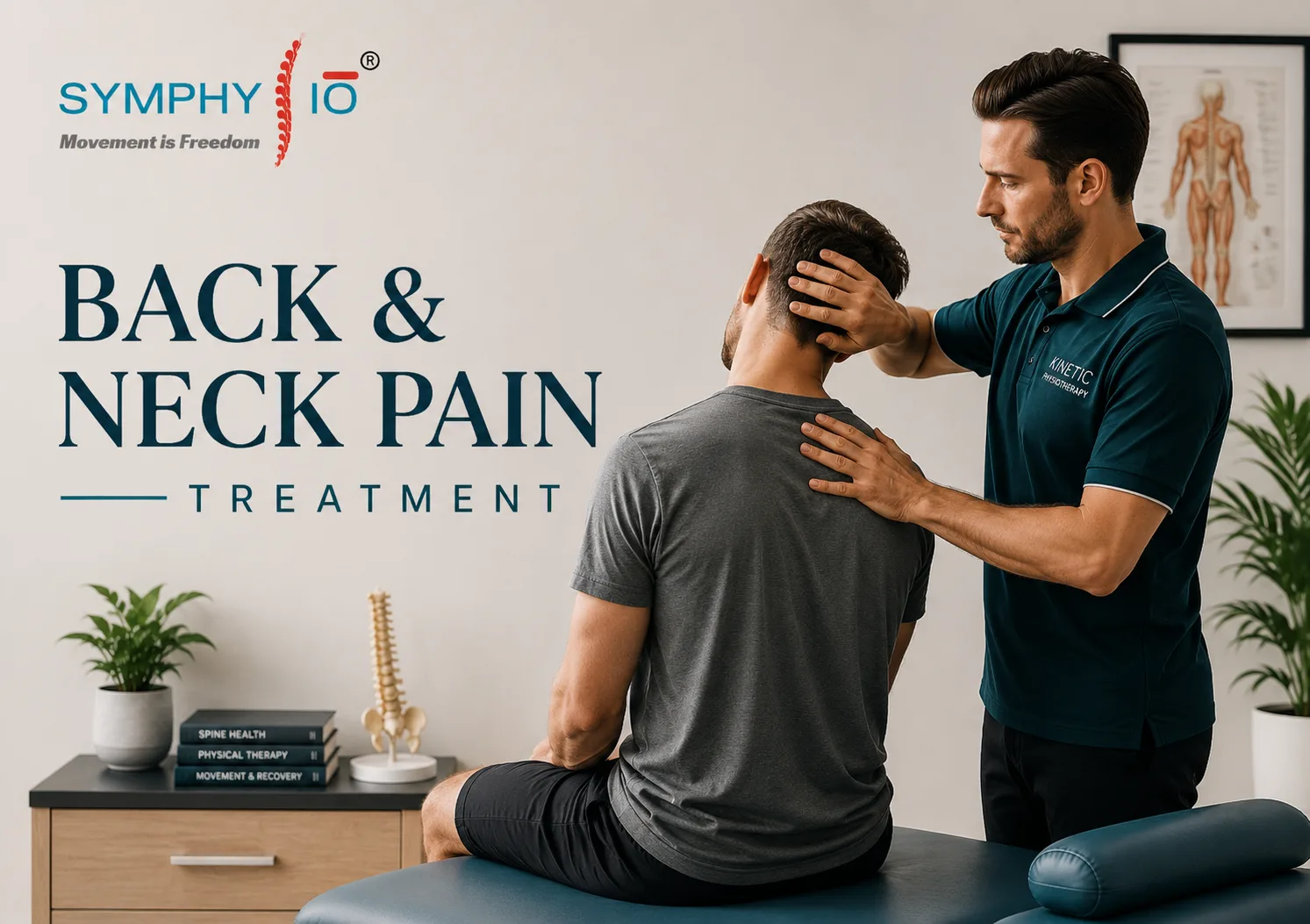
Headache & Neck Pain
Physiotherapy for chronic headaches & cervicogenic headache in Sarita Vihar, Delhi NCR — upper cervical assessment, hands-on therapy.
Learn More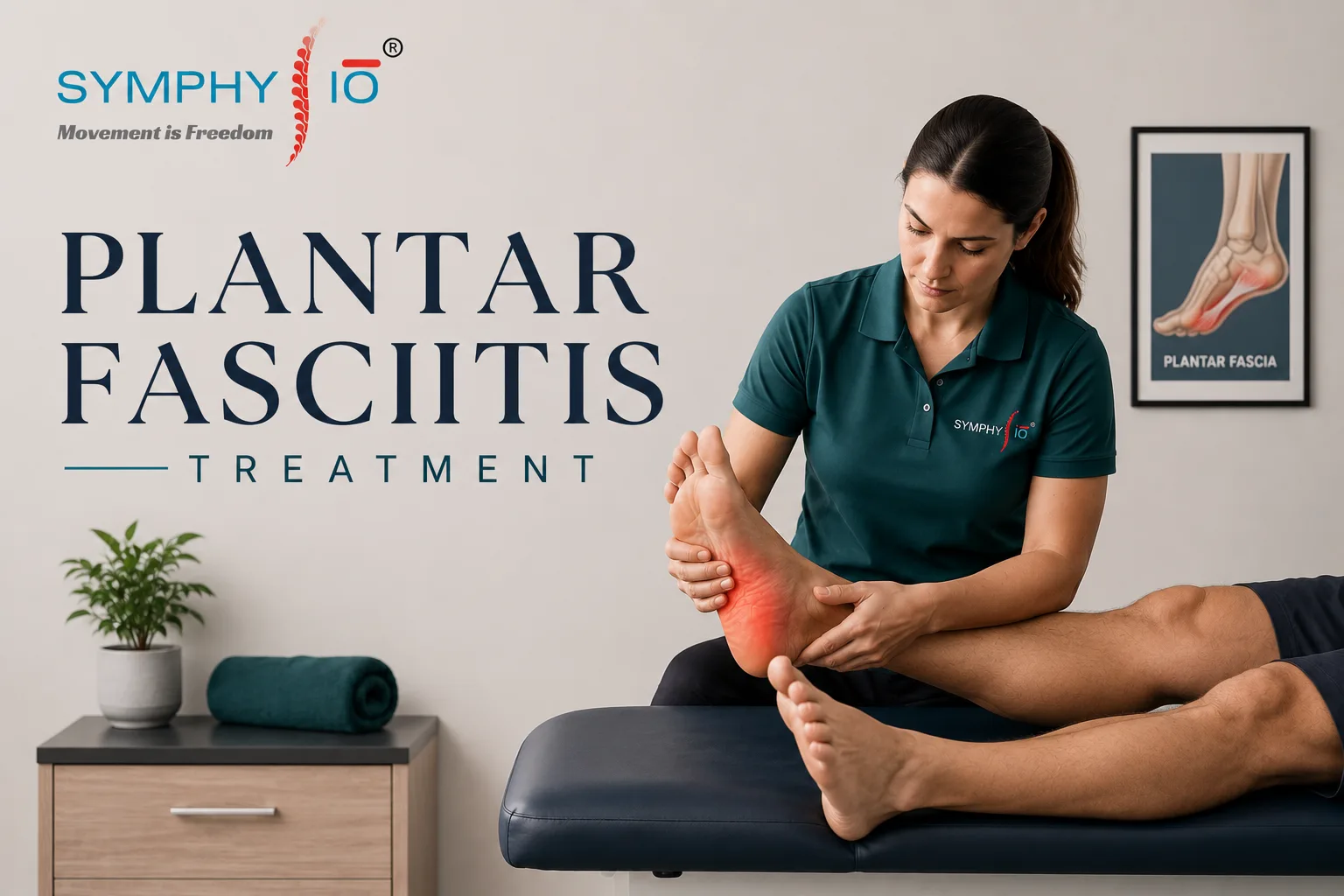
Plantar Fasciitis
Physiotherapy for plantar fasciitis & heel pain in Sarita Vihar, Delhi NCR — root-cause biomechanical assessment & progressive loading rehab.
Learn MorePosture & Ergonomics in Sarita Vihar & South Delhi
Symphysio provides posture & ergonomics to patients across South Delhi. Our clinic in Sarita Vihar is easily accessible from:
Not sure if we cover your area? Contact us.
Prevent Pain Before It Starts
Book a posture and ergonomics assessment with Symphysio in Sarita Vihar today.