
Knee Pain Physiotherapy Treatment
Root-cause physiotherapy for knee pain — restoring strength, stability, and pain-free movement in Sarita Vihar, Delhi NCR.
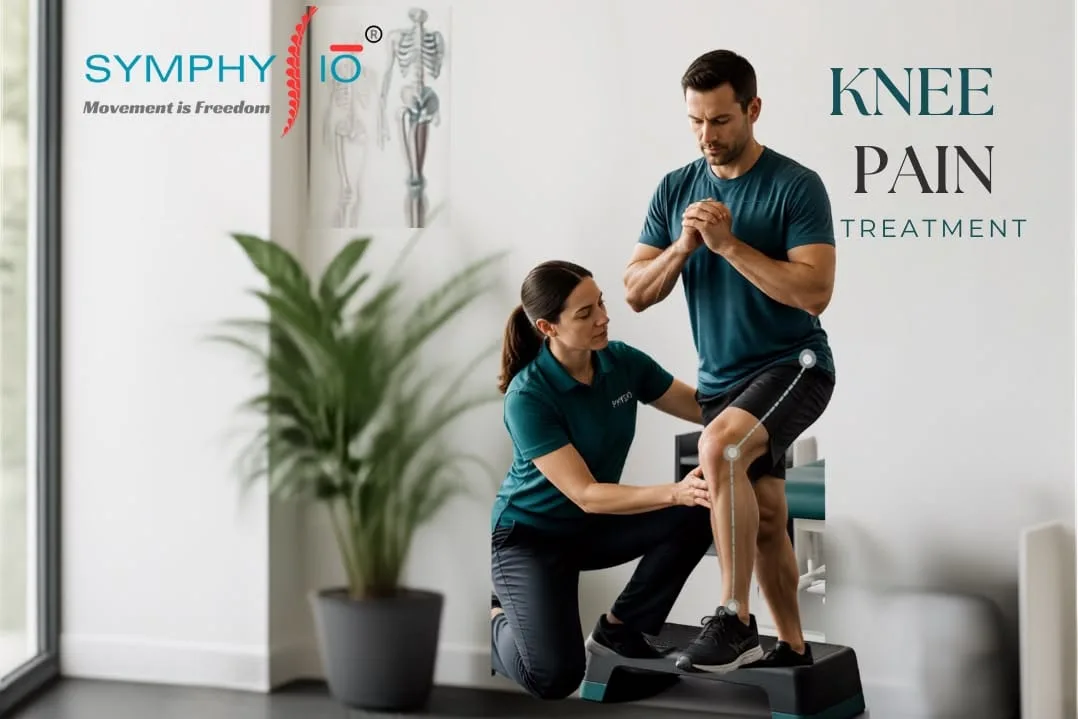
Knee Pain
What Is Knee Pain?
Knee pain physiotherapy addresses pain, swelling, and dysfunction arising from the muscles, ligaments, cartilage, or joint surfaces of the knee. The knee is a complex hinge joint that relies heavily on the strength and coordination of the surrounding hip and ankle to function properly — which means knee pain often has contributing factors well beyond the knee itself.
Rather than treating the knee in isolation, effective physiotherapy looks at the entire kinetic chain — hip strength, ankle mobility, and movement mechanics — to identify why the knee is under excess stress and address that root cause alongside local treatment.
Symptoms & Causes
Common symptoms include:
- Pain around, behind, or below the kneecap
- Swelling or a feeling of fullness in the joint
- Stiffness, particularly after sitting for extended periods
- A catching, locking, or giving-way sensation
- Pain that worsens with stairs, squatting, running, or prolonged standing
- Clicking or grinding sensations during movement
Common underlying causes:
- Overuse or repetitive strain from running, sports, or physical work
- Weakness in the hip and thigh muscles, altering knee joint loading
- Ligament sprain or strain from a twisting injury
- Meniscus irritation or tear
- Patellofemoral pain syndrome (kneecap tracking issues)
- Age-related joint wear or early osteoarthritic changes
- Poor movement mechanics during sport or daily activity
How We Assess It
Assessment at Symphysio includes:
- Detailed history — how the pain started, aggravating and easing factors, and your activity or sporting demands
- Movement assessment — evaluating squatting, stepping, and functional movement patterns to identify biomechanical contributors
- Strength testing — particularly of the hip and thigh muscles, since weakness here is one of the most common drivers of knee pain
- Joint and ligament testing — assessing knee stability, swelling, and specific structures (ligaments, meniscus) where indicated
- Movement chain evaluation — looking beyond the knee itself to hip and ankle mobility and control
This comprehensive approach helps distinguish between different causes of knee pain, which often present similarly but require different treatment emphasis.
Our Treatment Approach
Treatment plans typically combine:
- Manual therapy — joint mobilization and soft tissue release to reduce pain and stiffness
- Progressive strengthening — particularly of the hip and thigh muscles, to reduce excess load on the knee joint itself
- Movement retraining — correcting squatting, landing, and stepping mechanics that place unnecessary stress on the knee
- Taping or bracing guidance — where appropriate, to support the joint during the early stages of recovery or return to activity
- Sport-specific or activity-specific rehabilitation — for patients returning to running, sport, or physically demanding work
Treatment progresses from pain management toward building the strength and control needed for a full, confident return to your normal activities.
Benefits of Treatment
- Reduces knee pain and swelling
- Improves strength and stability around the joint
- Corrects the movement patterns contributing to ongoing strain
- Restores confidence in stairs, squatting, and sport-specific movements
- Reduces risk of recurrence through targeted strengthening
- Supports long-term joint health, particularly for active individuals
Who Should Consider This / Contraindications
Physiotherapy is appropriate for most cases of mechanical knee pain, whether from overuse, minor injury, or early degenerative changes. It's approached with caution — and only after medical evaluation — in cases of:
- Suspected fracture or significant acute trauma
- A knee that is unable to bear weight at all following injury
- Signs of infection (warmth, redness, fever with joint swelling)
- Significant, sudden joint instability suggesting a major ligament tear
These require medical assessment, potentially including imaging, before physiotherapy treatment begins.
Frequently Asked Questions
The knee is heavily influenced by hip and ankle function. Weakness or poor mechanics at the hip can significantly increase stress on the knee joint, which is why a full assessment looks beyond the knee itself.
This varies with the cause and severity, but many patients notice meaningful improvement within 4-6 weeks of consistent treatment, with continued strengthening over a longer period for full return to sport or demanding activity.
Not necessarily — your therapist will assess whether modified activity (reduced distance, different surfaces, or temporary cross-training) is appropriate rather than complete rest, depending on your specific findings.
Not always. Many cases of knee pain can be accurately assessed and treated clinically. Imaging is recommended when there's suspected significant structural injury, or when symptoms don't respond to appropriate treatment.
Clicking or grinding without pain is common and often not concerning. When accompanied by pain, swelling, or a catching sensation, it's worth a proper assessment.
Yes — building strength in the hip and thigh muscles is one of the most effective, evidence-supported approaches for many common causes of knee pain, particularly patellofemoral pain and general overuse injuries.
A ligament sprain involves stretching or tearing of the stabilizing ligaments, often from a twisting or impact injury. A meniscus injury involves the cartilage cushioning the joint, and can result from twisting movements or gradual wear. Assessment helps distinguish between them, as management can differ.
It can be, particularly in older adults with gradually worsening stiffness and activity-related pain. Physiotherapy plays an important role in managing early arthritic changes and maintaining joint function.
This depends entirely on the cause and severity of your knee pain, but your therapist will guide you through a progressive return-to-sport program once you've rebuilt sufficient strength and control.
Most mechanical knee pain responds well to physiotherapy without surgery. Surgical referral is typically reserved for significant structural injuries or cases that don't improve with a thorough course of conservative treatment.
Related Treatments

Sports Injury Rehab
Sports injury physiotherapy in Sarita Vihar, Delhi NCR — root-cause assessment, hands-on rehab & return-to-sport programs for athletes.
Learn More
Arthritis Physiotherapy
Physiotherapy for arthritis & joint pain in Sarita Vihar, Delhi NCR — root-cause assessment, hands-on therapy & long-term joint management.
Learn More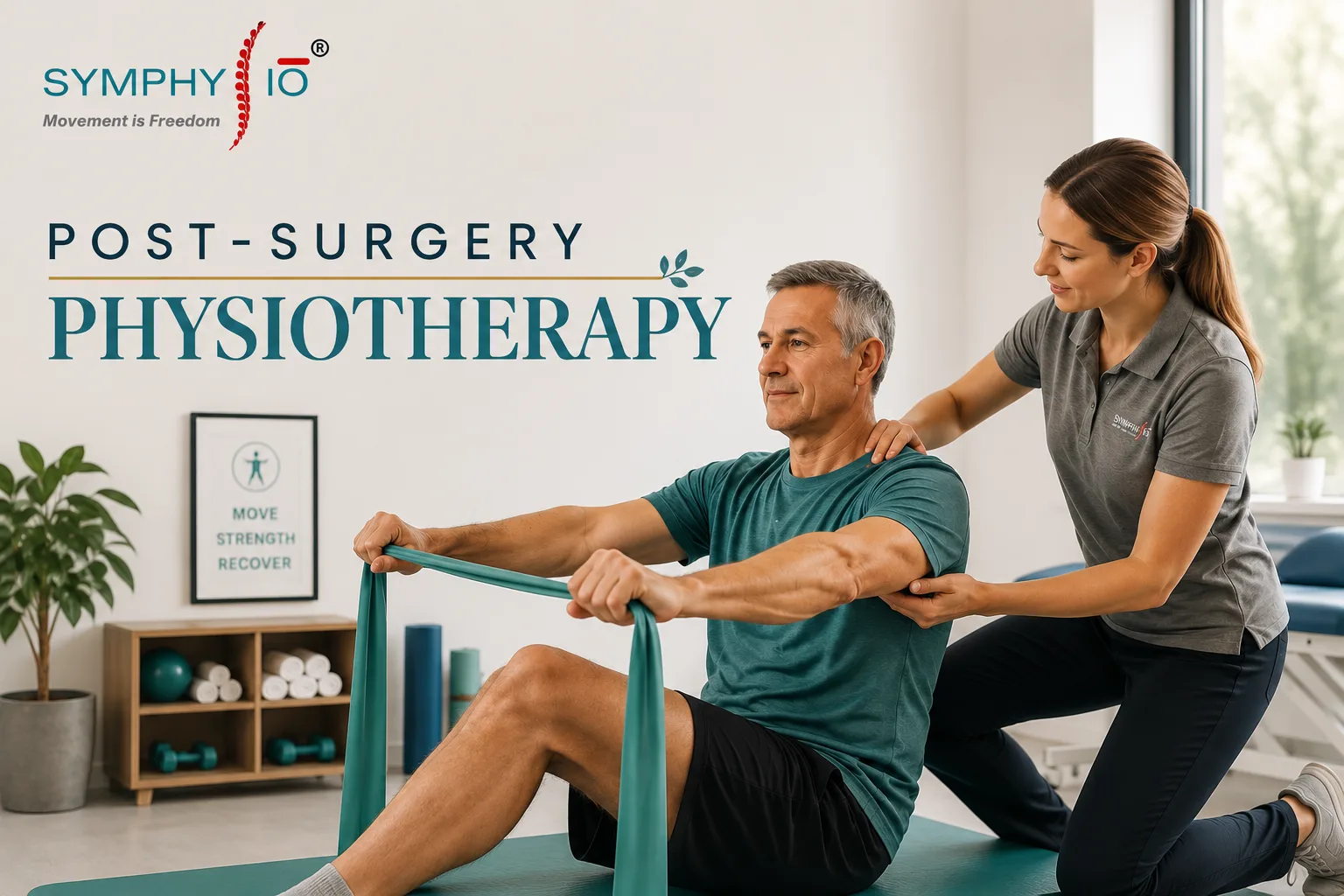
Post Surgical Rehab
Post-surgery physiotherapy in Sarita Vihar, Delhi NCR — structured, progressive rehab protocols for full functional recovery.
Learn MoreKnee Pain in Sarita Vihar & South Delhi
Symphysio provides knee pain to patients across South Delhi. Our clinic in Sarita Vihar is easily accessible from:
Not sure if we cover your area? Contact us.
Don't Let Knee Pain Hold Back Your Movement
Book a root-cause assessment with Symphysio in Sarita Vihar today.