
Dry Needling Therapy
Precise trigger point therapy to release deep muscle tension and accelerate recovery, in Sarita Vihar, Delhi NCR.

Dry Needling
What Is Dry Needling?
Dry Needling is a technique in which a thin, sterile filament needle is inserted into a myofascial trigger point — a tight, irritable knot within a muscle that often causes localized pain and can also refer pain to other areas of the body. Unlike acupuncture, which is based on traditional Chinese medicine concepts of energy flow, Dry Needling is grounded in modern musculoskeletal and neurophysiological understanding of how muscles develop and hold tension.
The technique works by triggering a local twitch response in the muscle, which helps release the trigger point, improve blood flow to the area, and reduce the muscle guarding that often accompanies chronic pain and tightness. At Symphysio, Dry Needling is rarely used as a standalone treatment — it's most effective when combined with manual therapy and targeted exercise as part of a complete treatment plan.
Symptoms & Causes
Dry Needling is commonly used for:
- Persistent muscle knots or trigger points that don't resolve with stretching or massage alone
- Chronic muscle tightness contributing to pain in the neck, shoulders, back, hips, or limbs
- Muscle guarding around an injured or irritated joint or nerve
- Headaches with a muscular trigger-point component (particularly in the neck and jaw)
- Sports-related muscle tightness and overuse patterns
- Post-surgical or post-injury muscle tension that limits full recovery
Common contributing factors include:
- Repetitive strain
- Prolonged poor posture
- Muscle overuse in sport or physical work
- Secondary muscle guarding that develops around an underlying joint or nerve problem
How We Assess It
Before recommending Dry Needling, our therapists conduct a full assessment to confirm it's the right tool for your specific presentation:
- Palpation-based trigger point identification — locating specific, reproducible tender points within the muscle that match your reported pain pattern
- Movement and functional assessment — understanding how the affected muscle tightness is impacting your broader movement, posture, or performance
- Screening for contraindications — reviewing your medical history to rule out conditions where needling isn't appropriate
Dry Needling is typically recommended as part of a broader treatment plan, not as a first-line standalone treatment, so this assessment also considers where it fits alongside manual therapy and exercise.
Our Treatment Approach
During a Dry Needling session, a thin, single-use, sterile needle is inserted directly into the identified trigger point. Patients often feel a brief, distinct sensation as the muscle twitches — this is a positive sign that the trigger point has been located. The needle may be left in place briefly or gently manipulated, depending on the therapeutic goal. Dry Needling is typically integrated with:
- Manual therapy — to further release the surrounding soft tissue and restore normal movement
- Targeted exercise — to address the underlying cause of the tightness, whether postural, biomechanical, or activity-related
- Postural and ergonomic advice — where relevant, to prevent the trigger points from redeveloping
Mild soreness for 24-48 hours after treatment is common and generally resolves quickly, similar to the feeling after an intense workout.
Benefits of Treatment
- Releases stubborn muscle knots that don't respond to other techniques
- Reduces referred pain patterns caused by trigger points
- Improves range of motion by reducing muscle guarding
- Complements and enhances the effectiveness of manual therapy and exercise
- Can reduce headache frequency when trigger points are contributing to head or neck pain
- Supports faster recovery in sports injury and post-surgical rehabilitation
Who Should Consider This / Contraindications
Dry Needling is well suited to patients with persistent muscle tightness or trigger points that haven't responded to stretching, massage, or exercise alone, and it's frequently used to accelerate progress in back pain, neck pain, headache, and sports injury treatment plans. It is not performed in certain situations, including:
- Needle phobia or inability to tolerate the technique
- Active infection or skin conditions at the treatment site
- Patients on strong anticoagulant therapy, without prior medical clearance
- Pregnancy, in certain treatment areas, requiring modified technique
- Lymphedema risk areas, where needling is avoided or approached with extra caution
Our therapists always screen for these factors and discuss the technique with you before your first session.
Frequently Asked Questions
No. While both use thin needles, Dry Needling is based on modern musculoskeletal science and targets specific myofascial trigger points, whereas acupuncture is rooted in traditional Chinese medicine concepts of energy flow along meridians.
Most patients feel a brief, distinct twitch or cramping sensation when the needle reaches the trigger point, which is generally not described as painful, though it can feel unusual. Mild soreness afterward is common and typically resolves within a day or two.
This varies by condition, but many patients notice reduced muscle tightness within 2-4 sessions when combined with manual therapy and exercise. Your therapist will guide you on an appropriate frequency based on your specific case.
Yes, when performed by a trained physiotherapist using sterile, single-use needles. Our therapists conduct a thorough assessment and screen for contraindications before recommending the technique.
Yes — Dry Needling is most effective when combined with manual therapy, exercise, and postural correction, rather than used as a standalone treatment. It's typically one component of a broader treatment plan.
It's commonly used for chronic muscle tightness, trigger-point related headaches, sports injuries, back and neck pain, and muscle guarding that develops around joint or nerve issues.
Some mild soreness for 24-48 hours is common, similar to post-exercise muscle soreness, and generally resolves on its own without treatment.
Not everyone — those with needle phobia, active infections, certain bleeding disorders, or on strong anticoagulants may need modified treatment or an alternative approach. Your therapist will assess your suitability during your consultation.
Dry Needling uses a thin, solid filament needle with no medication injected — it's a mechanical technique that stimulates the trigger point directly, distinct from medical injections which deliver a substance into the tissue.
Yes, when headaches involve trigger points in the neck, shoulder, or jaw muscles, Dry Needling can be an effective part of treatment, often used alongside manual therapy targeting the same muscles.
Related Treatments
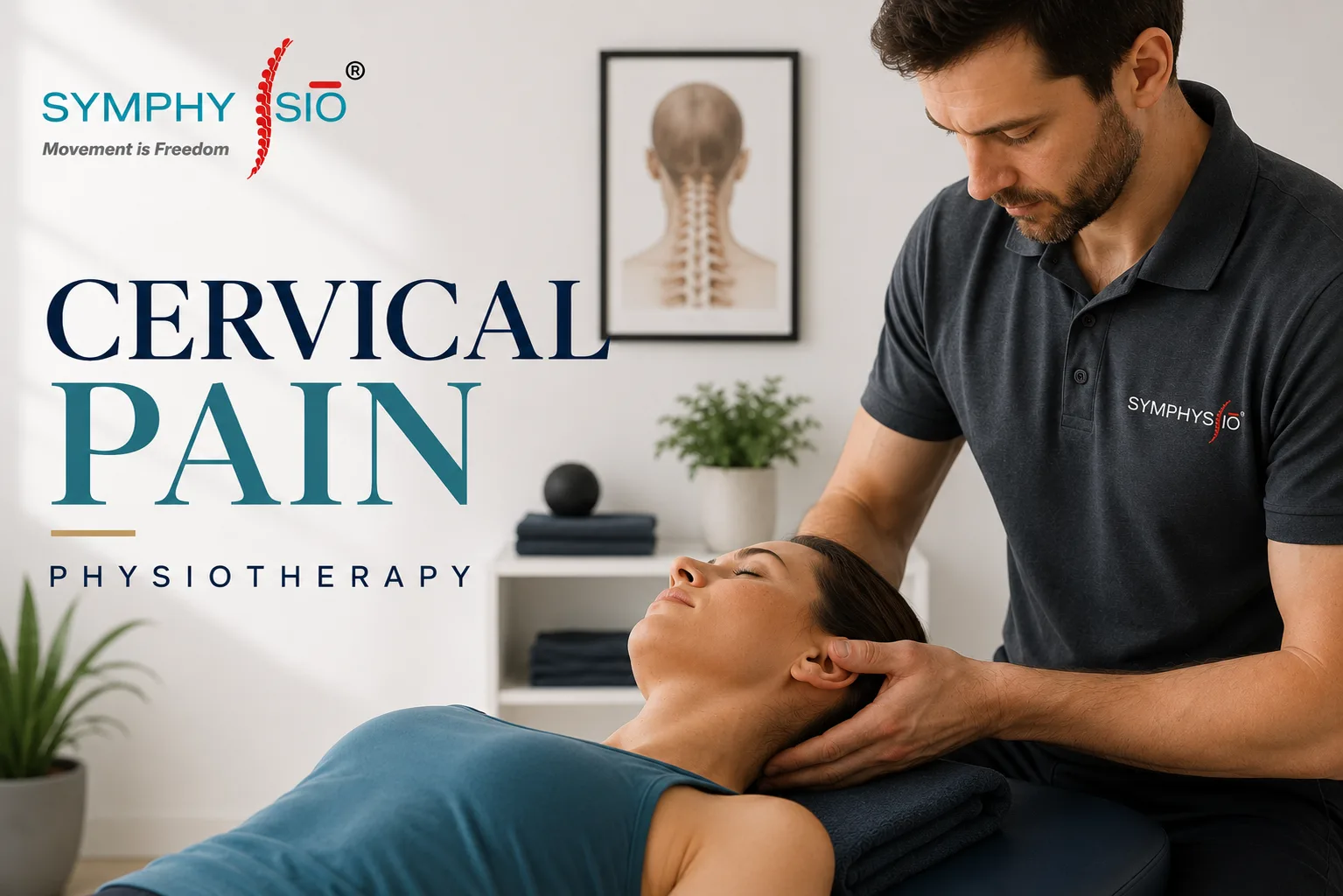
Neck & Cervical Pain
Physiotherapy for neck & cervical pain in Sarita Vihar, Delhi NCR — root-cause postural assessment, hands-on therapy & targeted rehab.
Learn More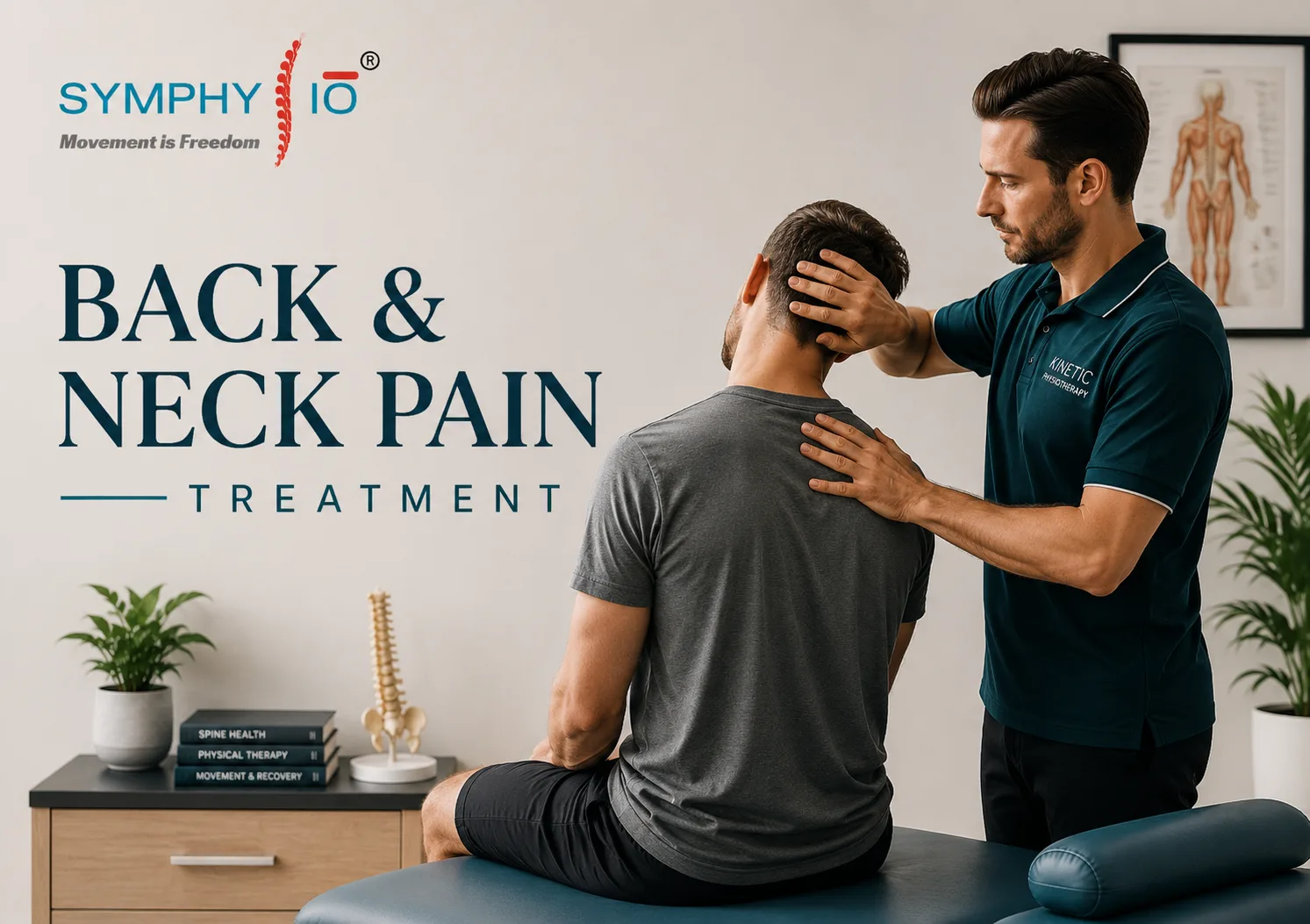
Headache & Neck Pain
Physiotherapy for chronic headaches & cervicogenic headache in Sarita Vihar, Delhi NCR — upper cervical assessment, hands-on therapy.
Learn More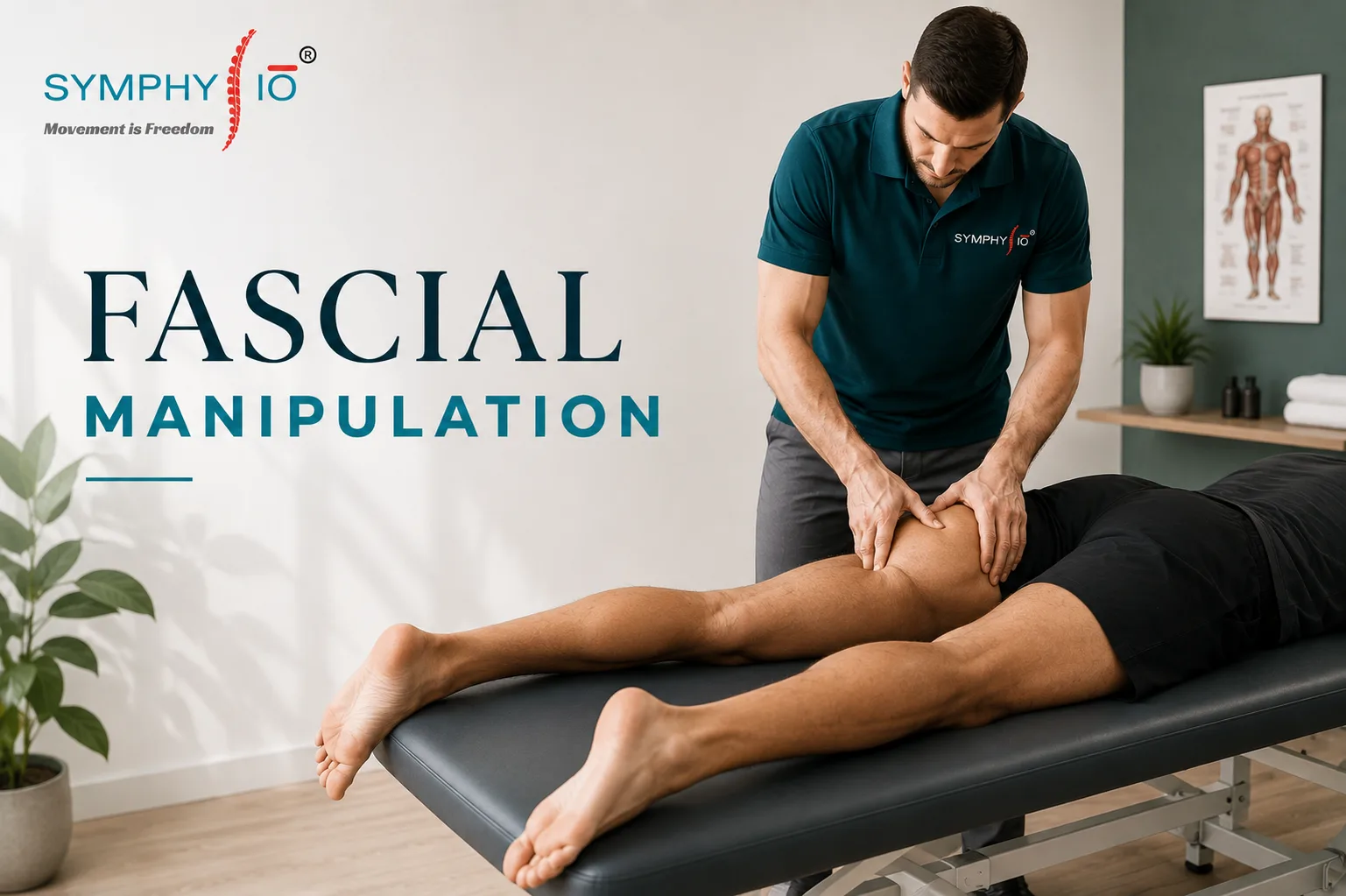
Fascial Manipulation
Fascial Manipulation therapy in Sarita Vihar, Delhi NCR — advanced deep tissue technique treating chronic myofascial pain at its true origin.
Learn MoreDry Needling in Sarita Vihar & South Delhi
Symphysio provides dry needling to patients across South Delhi. Our clinic in Sarita Vihar is easily accessible from:
Not sure if we cover your area? Contact us.
Ready to Release Stubborn Muscle Tension?
Book a Dry Needling assessment with Symphysio in Sarita Vihar today.