
Craniosacral Therapy
Gentle, light-touch therapy targeting the craniosacral system — for lasting relief from headaches, chronic pain, stress, and nervous system dysfunction.

Craniosacral Therapy
Signature TreatmentWhat Is Craniosacral Therapy?
Craniosacral Therapy (CST) is a gentle, hands-on manual therapy that works with the craniosacral system — the membranes and cerebrospinal fluid that surround and protect the brain and spinal cord. Using a very light touch, typically no heavier than 5 grams, a trained therapist evaluates and releases restrictions in this system to improve the functioning of the central nervous system.
The therapy is based on the understanding that the body has an inherent self-correcting ability, and that restrictions in the craniosacral rhythm — caused by physical trauma, stress, or chronic tension — can interfere with this ability and contribute to a wide range of health problems. By gently working with the bones of the skull, sacrum, and spine, as well as the surrounding soft tissue and fascia, CST encourages the body to release these restrictions and restore its natural balance.
CST is non-invasive, deeply relaxing, and suitable for people of all ages — from newborns to older adults.
Symptoms & Causes
Craniosacral Therapy is used to address a broad range of conditions, particularly where conventional treatments have provided incomplete relief:
- Pain & Musculoskeletal Conditions — chronic headaches and migraines, neck and back pain, temporomandibular joint (TMJ) disorders, fibromyalgia, and chronic musculoskeletal pain
- Neurological & Nervous System Conditions — post-concussion syndrome and traumatic brain injury recovery, neurological dysfunction and post-stroke rehabilitation support, chronic fatigue syndrome, and tinnitus and vertigo
- Stress, Anxiety & Emotional Wellbeing — anxiety, stress, and nervous system dysregulation, post-traumatic stress disorder (PTSD), and emotional tension held in the body
- Infant & Paediatric Conditions — birth trauma and colic in newborns, feeding difficulties, and developmental concerns
- Post-Surgical & Trauma Recovery — recovery after spinal or cranial surgeries, and scar tissue and fascial restriction following trauma or injury
Craniosacral rhythm restrictions commonly arise from:
- Physical trauma
- Stress
- Chronic tension
How We Assess It
Before beginning treatment, our therapist conducts a thorough assessment to understand your symptoms, history, and goals:
- Detailed history — understanding the onset, duration, and nature of your symptoms, as well as any trauma, surgery, or stress that may be relevant
- Postural and structural observation — noting asymmetries or patterns in the way your body holds itself
- Craniosacral rhythm evaluation — using a very light palpatory touch at key points along the body (feet, sacrum, thorax, skull) to feel the craniosacral rhythm and identify areas of restriction or asymmetry
- Fascial tension mapping — tracing lines of restriction through the body's connective tissue network
- Review of relevant investigations — where imaging or specialist reports are available, these are reviewed to support clinical reasoning
This assessment enables the therapist to develop a personalised treatment plan that addresses the root restrictions contributing to your symptoms, not just the symptoms themselves.
Our Treatment Approach
Each Craniosacral Therapy session at Symphysio is tailored to your individual presentation. You remain fully clothed and lie comfortably on a treatment table. Treatment typically includes:
- Craniosacral rhythm evaluation and balancing — light-touch holds at the feet, sacrum, pelvis, ribcage, thoracic inlet, and cranium to sense and gently encourage the craniosacral rhythm toward balance
- Still point induction — a technique that temporarily pauses the craniosacral rhythm, allowing the nervous system to reset and the body to self-correct
- Fascial unwinding — gentle guided movement that follows the body's own impulse to release deep fascial restrictions
- Dural tube release — addressing restrictions along the length of the spinal dura, which can influence pain and neurological function
- SomatoEmotional Release (SER) — where appropriate, supporting the release of emotional and physical trauma held in the body's tissues
- Integration with other therapies — CST is often combined with visceral manipulation, myofascial release, or other manual therapy approaches for a more comprehensive treatment
Sessions typically last 45–60 minutes. Many patients experience a deep sense of relaxation during and after treatment.
Benefits of Treatment
- Reduces the frequency and intensity of chronic headaches and migraines
- Relieves tension in the neck, jaw, and cranial structures
- Improves nervous system regulation — reducing stress, anxiety, and fatigue
- Supports recovery from concussion and post-traumatic symptoms
- Eases chronic musculoskeletal pain, particularly when structural approaches alone have not resolved it
- Addresses the root fascial and craniosacral restrictions underlying recurring symptoms
- Safe and appropriate for a wide range of patients, including those who cannot tolerate stronger manual therapy
Who Should Consider This / Contraindications
Craniosacral Therapy is generally very safe and well-tolerated. However, it is not appropriate for individuals with:
- Recent intracranial haemorrhage or aneurysm
- Acute skull fracture
- Herniation of the medulla oblongata (brain stem)
- Recent spinal surgery (within the first weeks of recovery — consult your surgeon)
- Conditions where changes in intracranial pressure may be harmful
If you are unsure whether CST is appropriate for your condition, please contact us before booking. Our therapists are trained to screen for these contraindications at your first visit.
Certified By
- Upledger Institute InternationalGoa, India — August 2026
Craniosacral Therapy Level I
Dr. Rahul Bhandari trained directly with the Upledger Institute International in Craniosacral Therapy 1, the foundational certification for this technique.
Frequently Asked Questions
Most people find CST deeply relaxing. The touch is extremely light — you may feel warmth, subtle pulsing, a sense of movement, or simply deep stillness. Some people drift into a meditative or sleep-like state during treatment. Occasionally, previously held tension or emotion may surface as the body releases.
This varies depending on your condition, its duration, and how your body responds. Acute issues may resolve in 2–4 sessions. Chronic or complex conditions typically benefit from a course of 6–10 sessions, with reassessment along the way.
CST has a growing body of clinical research, particularly for headaches, chronic pain, and anxiety. It is rooted in established anatomical knowledge of the craniosacral system and is used by physiotherapists, osteopaths, and other manual therapists worldwide. Our therapists integrate CST within a broader clinical framework.
Yes. CST is often combined with visceral manipulation, myofascial release, or exercise-based rehabilitation for a more comprehensive approach. Your therapist will advise on the best combination for your needs.
CST is generally considered safe during pregnancy and can be beneficial for musculoskeletal discomfort, stress, and preparation for birth. Please inform your therapist of your pregnancy before your session.
You remain fully clothed throughout. Wear comfortable, loose-fitting clothing that allows you to relax completely.
CST is a clinical therapy with a specific anatomical focus on the craniosacral system. While it is deeply relaxing, its goal is therapeutic — identifying and releasing restrictions in the craniosacral rhythm and fascial system that are contributing to your symptoms, rather than general relaxation.
Yes. CST is particularly gentle and is well-suited to infants and children. It is commonly used for birth trauma, colic, feeding difficulties, and developmental concerns in newborns, and for headaches, stress, and growing pains in older children.
Related Treatments
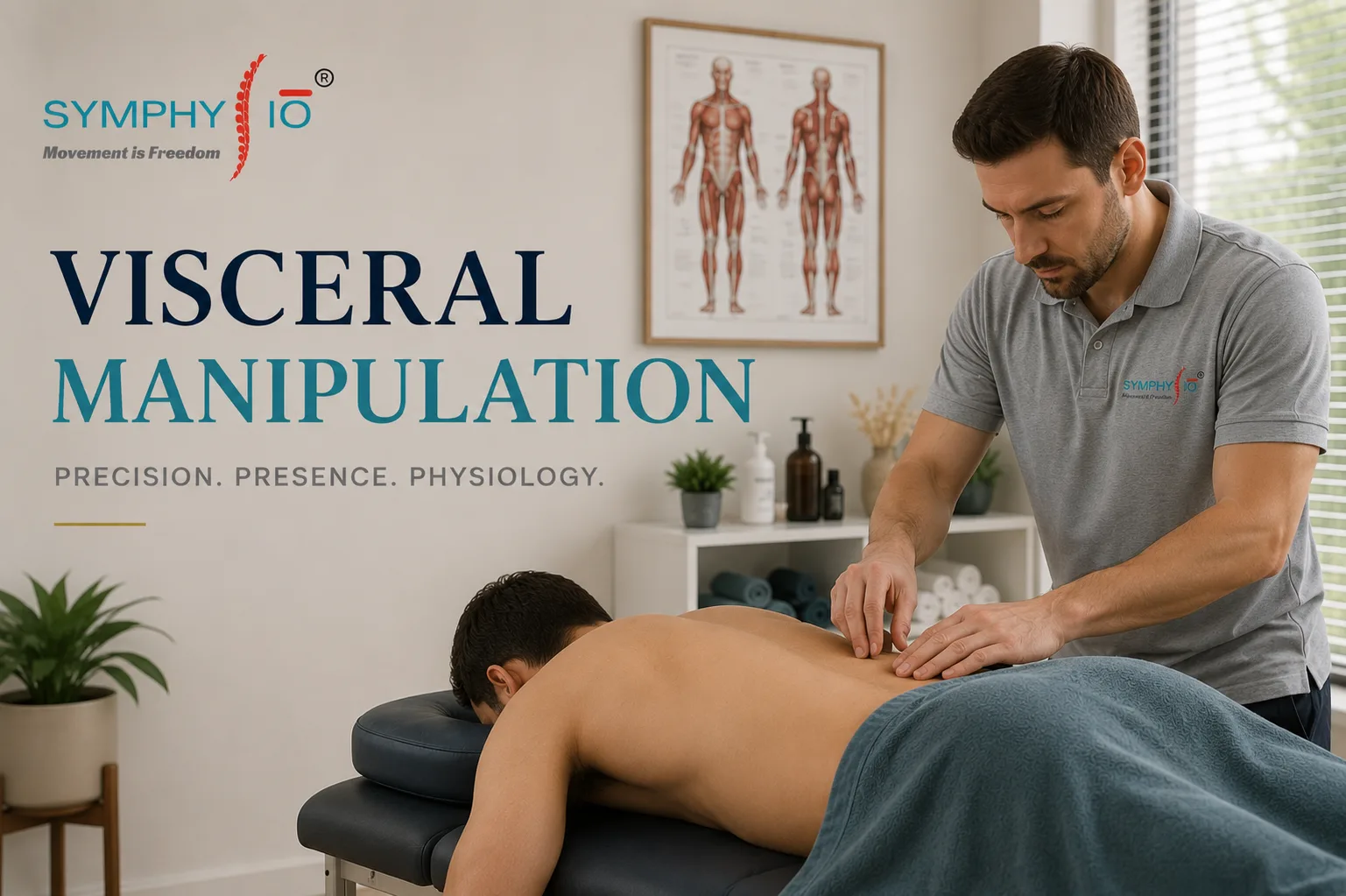
Visceral Manipulation
SignatureVisceral Manipulation therapy in Sarita Vihar, Delhi NCR — gentle, root-cause treatment for chronic pain linked to organ and fascial mobility.
Learn More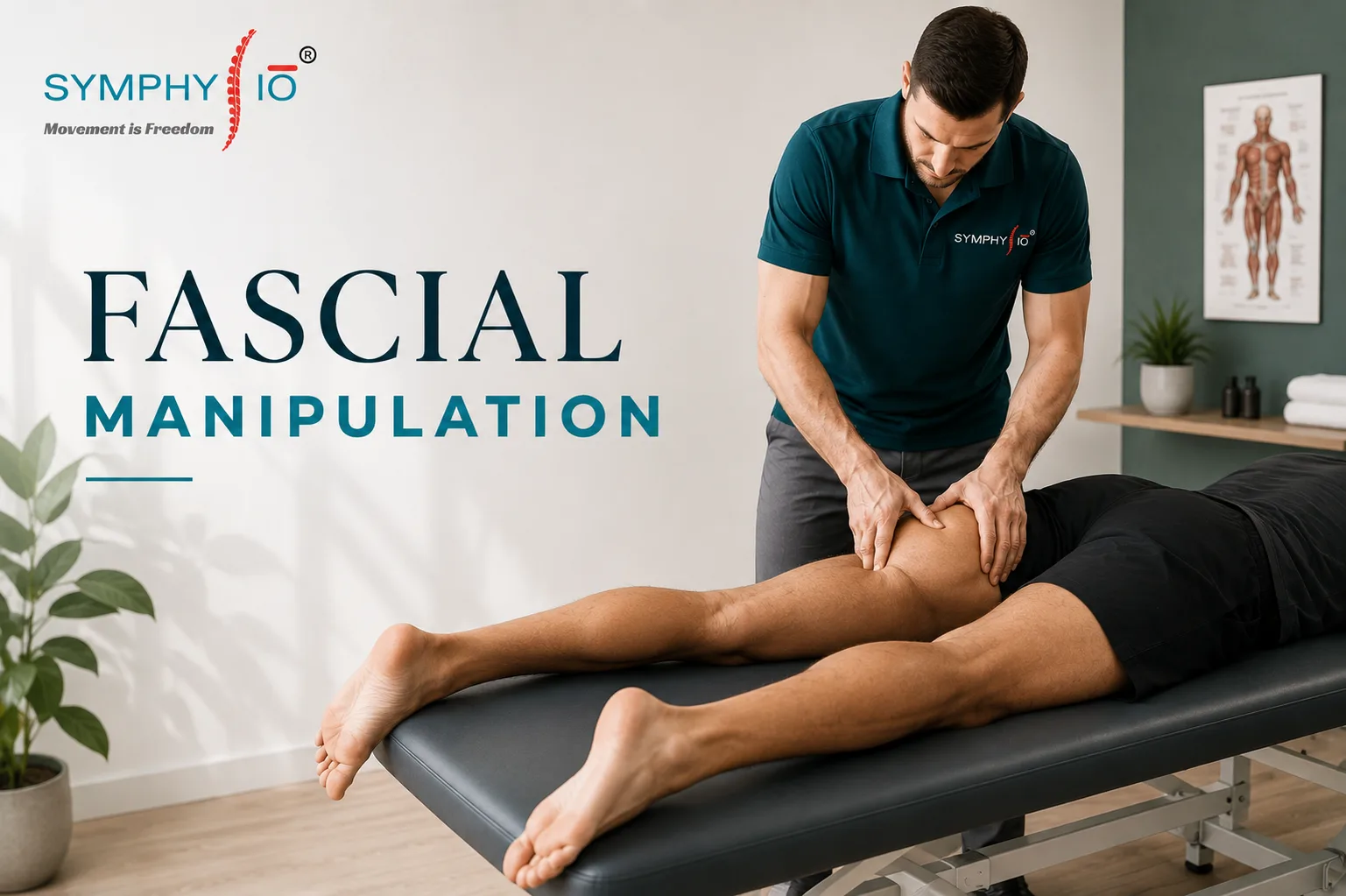
Fascial Manipulation
Fascial Manipulation therapy in Sarita Vihar, Delhi NCR — advanced deep tissue technique treating chronic myofascial pain at its true origin.
Learn More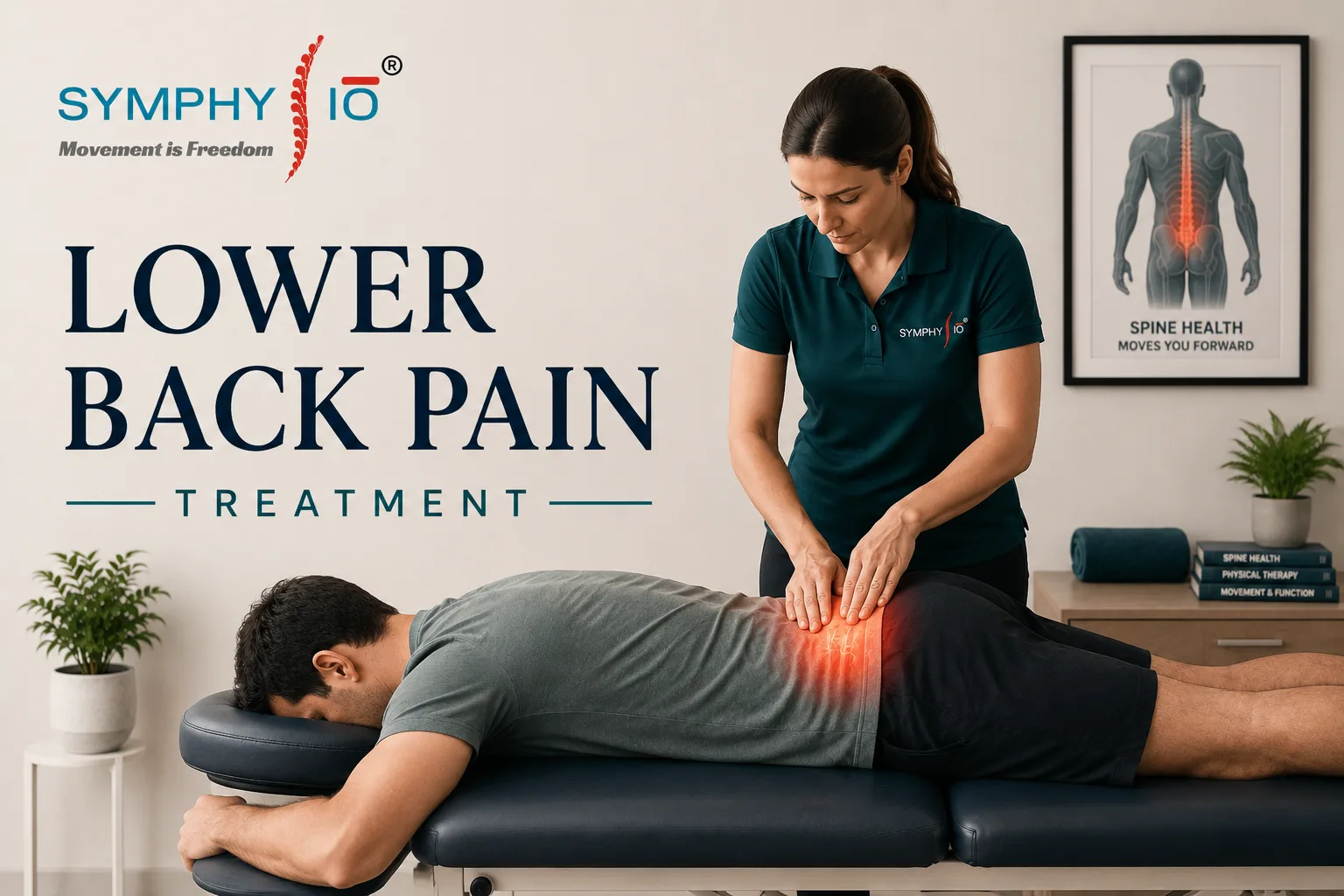
Back Pain
Expert back pain physiotherapy in Sarita Vihar, Delhi NCR — root-cause assessment, hands-on manual therapy & exercise rehab for lasting relief.
Learn More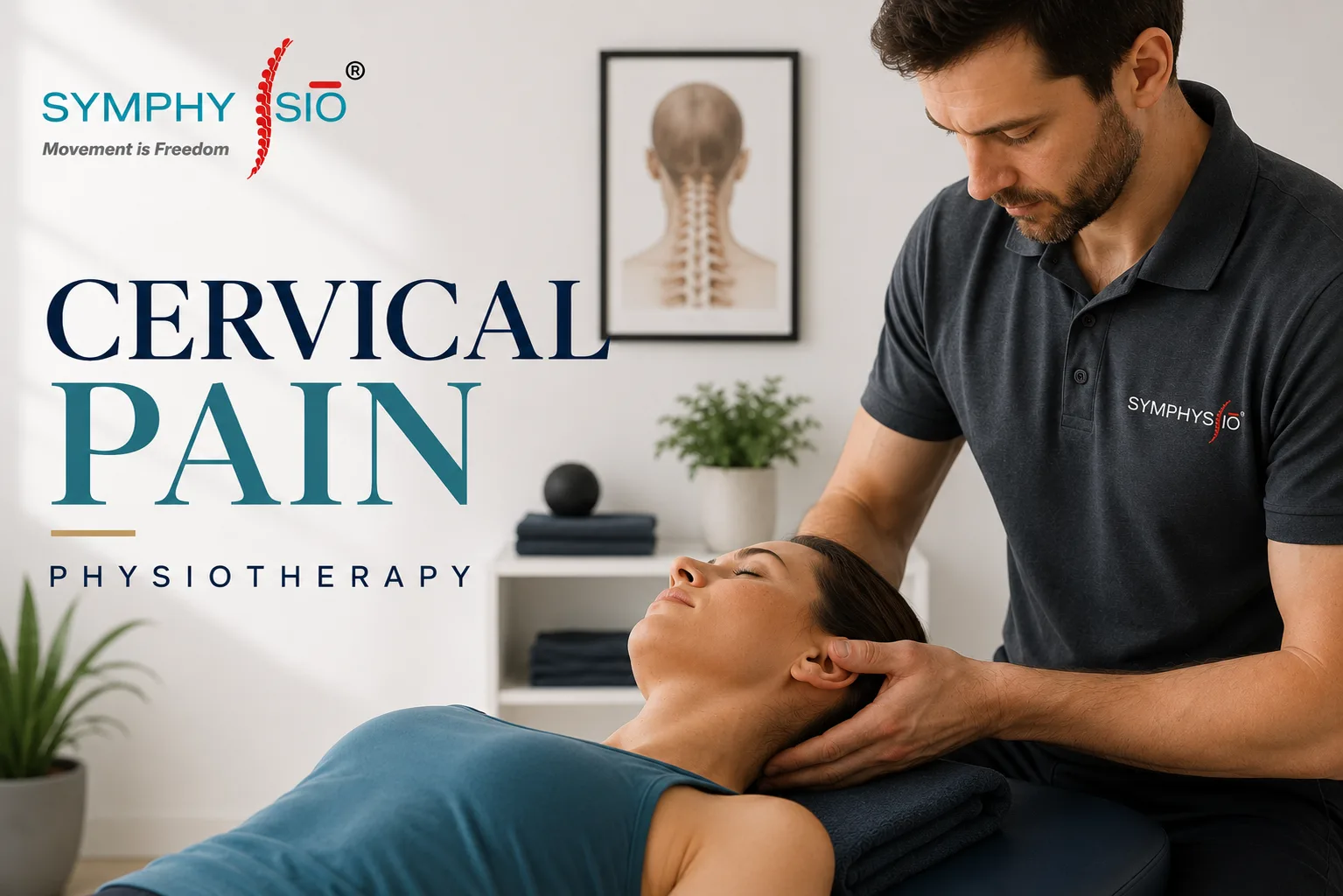
Neck & Cervical Pain
Physiotherapy for neck & cervical pain in Sarita Vihar, Delhi NCR — root-cause postural assessment, hands-on therapy & targeted rehab.
Learn MoreCraniosacral Therapy in Sarita Vihar & South Delhi
Symphysio provides craniosacral therapy to patients across South Delhi. Our clinic in Sarita Vihar is easily accessible from:
Not sure if we cover your area? Contact us.
Experience the Difference of Craniosacral Therapy
Book a session with our trained therapists at Symphysio in Sarita Vihar today.