
Sciatica Treatment
Root-cause nerve assessment and targeted rehabilitation to relieve sciatic pain in Sarita Vihar, Delhi NCR.
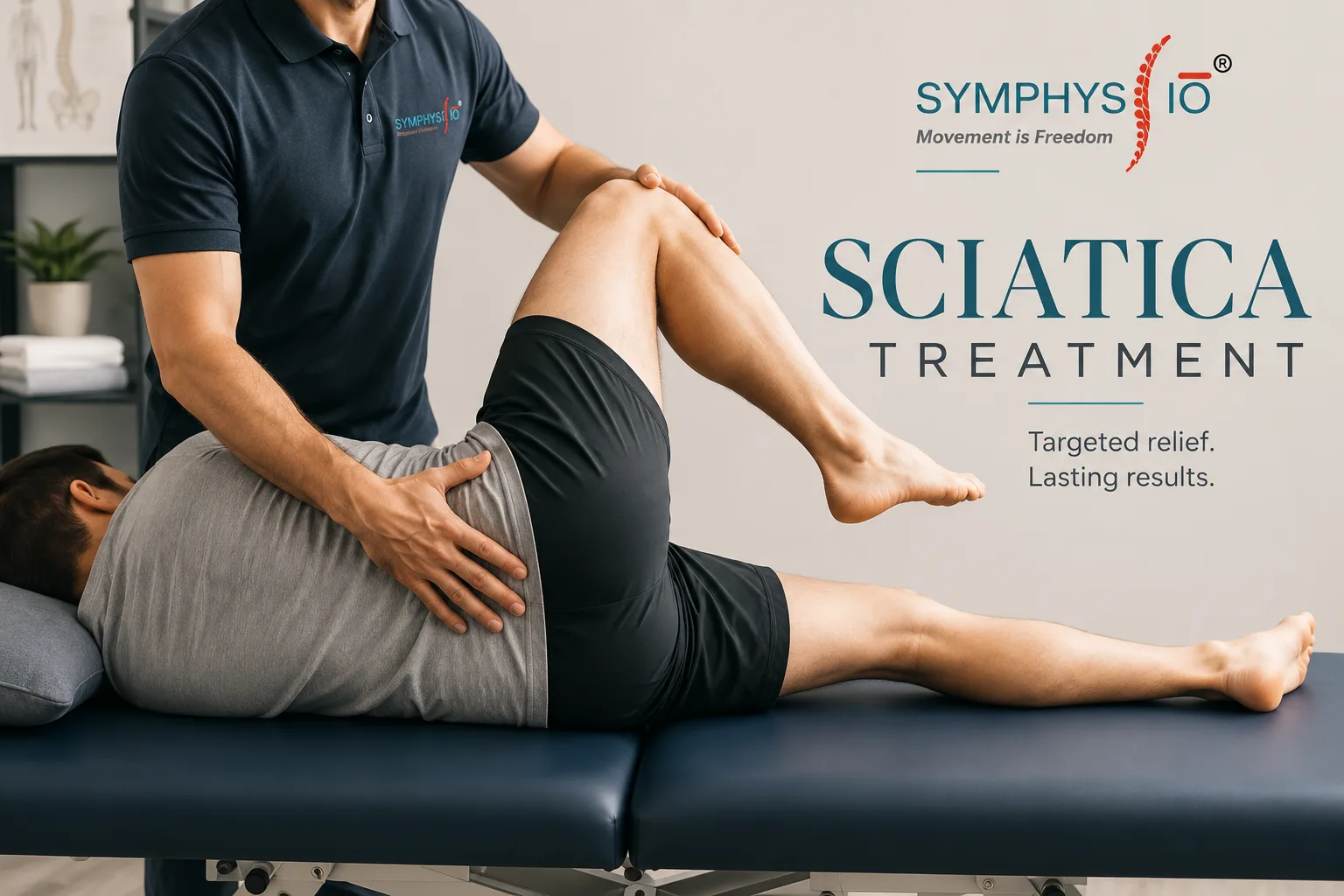
Sciatica
What Is Sciatica?
Sciatica refers to pain that radiates along the path of the sciatic nerve — from the lower back, through the buttock, and down the back of the leg. It's not a diagnosis in itself but a symptom, most commonly caused by a disc bulge, spinal stenosis, or piriformis muscle irritation pressing on or irritating the sciatic nerve as it exits the spine.
Because sciatica can stem from several different underlying causes, effective treatment depends entirely on correctly identifying which structure is actually irritating the nerve. Treating the symptom without addressing the source often leads to temporary relief that doesn't last.
Symptoms & Causes
Common symptoms include:
- Sharp, burning, or shooting pain from the lower back down one leg
- Numbness, tingling, or a "pins and needles" sensation along the leg
- Pain that worsens with prolonged sitting, standing, or specific movements
- Occasional muscle weakness in the affected leg
- Pain typically affecting one side of the body
- Symptoms that may worsen with coughing, sneezing, or straining
Common underlying causes:
- Disc bulge or herniation pressing on the nerve root
- Spinal stenosis (narrowing of the space around the nerve)
- Piriformis syndrome (a deep hip muscle irritating the nerve)
- Spondylolisthesis (a vertebra slipping out of alignment)
- Prolonged sitting or sedentary posture aggravating existing nerve sensitivity
How We Assess It
Assessment focuses on identifying exactly where and why the sciatic nerve is being irritated:
- Neural tension testing — including the straight leg raise test, to reproduce and localize nerve symptoms
- Neurological screening — reflexes, sensation, and muscle strength testing in the affected leg
- Movement assessment — identifying which positions or movements ease or worsen symptoms, which helps distinguish discogenic pain from piriformis-related or stenosis-related pain
- Postural and lifestyle review — since prolonged sitting is a major aggravating factor for many patients
This structured approach matters because discogenic sciatica, piriformis syndrome, and stenosis-related sciatica each respond to different treatment emphases.
Our Treatment Approach
Treatment is tailored to the underlying cause identified during assessment, and may include:
- Nerve gliding/flossing exercises — gentle, specific movements that help the nerve move freely within its surrounding tissue
- Manual therapy — including piriformis release and soft tissue work to reduce muscular compression on the nerve
- Core stabilization exercises — to reduce mechanical stress on the lower spine
- Postural correction — particularly for sitting posture, since this is one of the most common aggravating factors
- Dry Needling — frequently used alongside physiotherapy to address secondary muscle guarding around the irritated nerve
Most patients are also given a home exercise routine to manage symptoms between sessions and prevent flare-ups.
Benefits of Treatment
- Reduces radiating leg pain and nerve irritation
- Improves nerve mobility and reduces tingling/numbness
- Addresses the underlying mechanical cause, not just the symptom
- Restores ability to sit, stand, and walk without pain
- Reduces likelihood of recurrence with long-term movement strategies
- Avoids or delays the need for injections or surgery in many cases
Who Should Consider This / Contraindications
Physiotherapy is highly effective for most sciatica cases, particularly when started early rather than after symptoms have become chronic. As with disc-related back pain, certain red-flag symptoms require urgent medical evaluation rather than physiotherapy:
- Progressive weakness in the leg or foot
- Saddle anesthesia (numbness in the groin/inner thigh area)
- New bladder or bowel control changes
These may indicate a rare but serious condition called cauda equina syndrome, which is a medical emergency. Our therapists screen for these signs at your first visit and will refer you for urgent medical care if present.
Frequently Asked Questions
No. While disc bulges are a common cause, sciatica can also result from spinal stenosis, piriformis syndrome, or other sources of nerve irritation — which is why accurate assessment matters before starting treatment.
This varies by cause and severity, but many patients notice meaningful improvement within 4-6 weeks of consistent treatment. Your therapist will give you a personalized timeline after assessment.
Specific, guided exercise is usually beneficial and often necessary for recovery, but the wrong movements can aggravate symptoms. This is why supervised physiotherapy exercise is more effective than generic stretching routines found online.
Prolonged sitting doesn't directly cause a disc bulge or stenosis, but it significantly aggravates existing nerve irritation and is one of the most common factors keeping sciatica symptoms from settling down.
Back pain is localized to the back itself. Sciatica specifically involves nerve pain radiating down the leg, following the path of the sciatic nerve, often with numbness or tingling — a distinctly different symptom pattern.
Not always. Many cases can be assessed and treated clinically based on symptom pattern and physical testing. Imaging is recommended when symptoms are severe, worsening, or when red-flag signs are present.
Yes, Dry Needling is often used to address secondary muscle tightness (particularly in the piriformis) that can contribute to nerve compression, complementing core physiotherapy treatment.
Recurrence is possible, especially if underlying contributing factors like poor posture, weak core muscles, or prolonged sitting habits aren't addressed. This is why our treatment plans include long-term movement and postural strategies, not just symptom relief.
Piriformis syndrome is one possible cause of sciatica — it occurs when the piriformis muscle in the hip compresses the sciatic nerve. Treatment for piriformis-related sciatica focuses more on muscle release than spinal treatment.
If you experience progressive leg weakness, numbness in the groin/inner thigh area, or new bladder/bowel changes, seek immediate medical evaluation rather than starting physiotherapy, as these may indicate a medical emergency.
Related Treatments

Back Pain
Expert back pain physiotherapy in Sarita Vihar, Delhi NCR — root-cause assessment, hands-on manual therapy & exercise rehab for lasting relief.
Learn More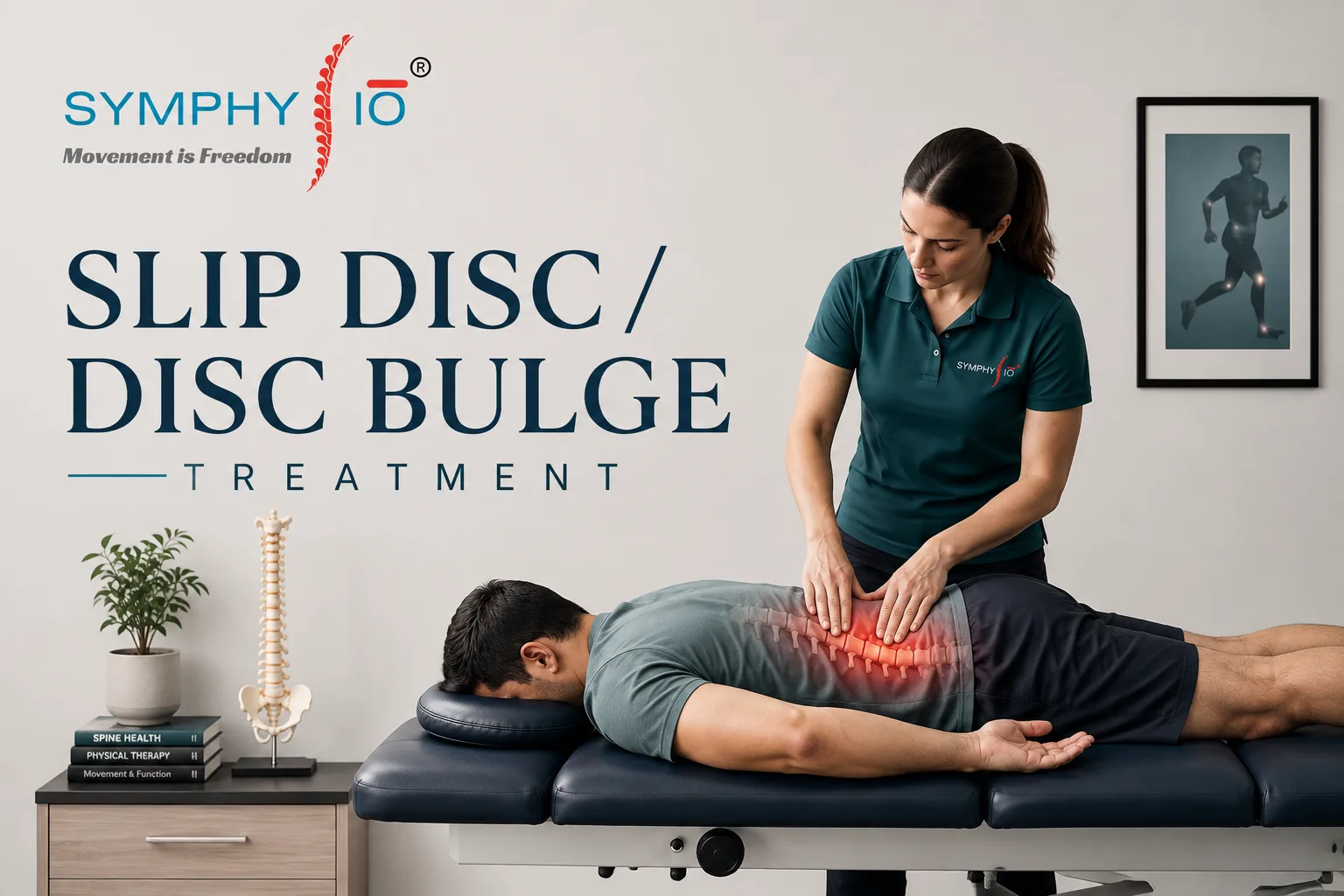
Slip Disc / Disc Bulge
Non-surgical physiotherapy for slip disc & disc bulge in Sarita Vihar, Delhi NCR — root-cause nerve assessment, directional exercise therapy & hands-on rehab.
Learn More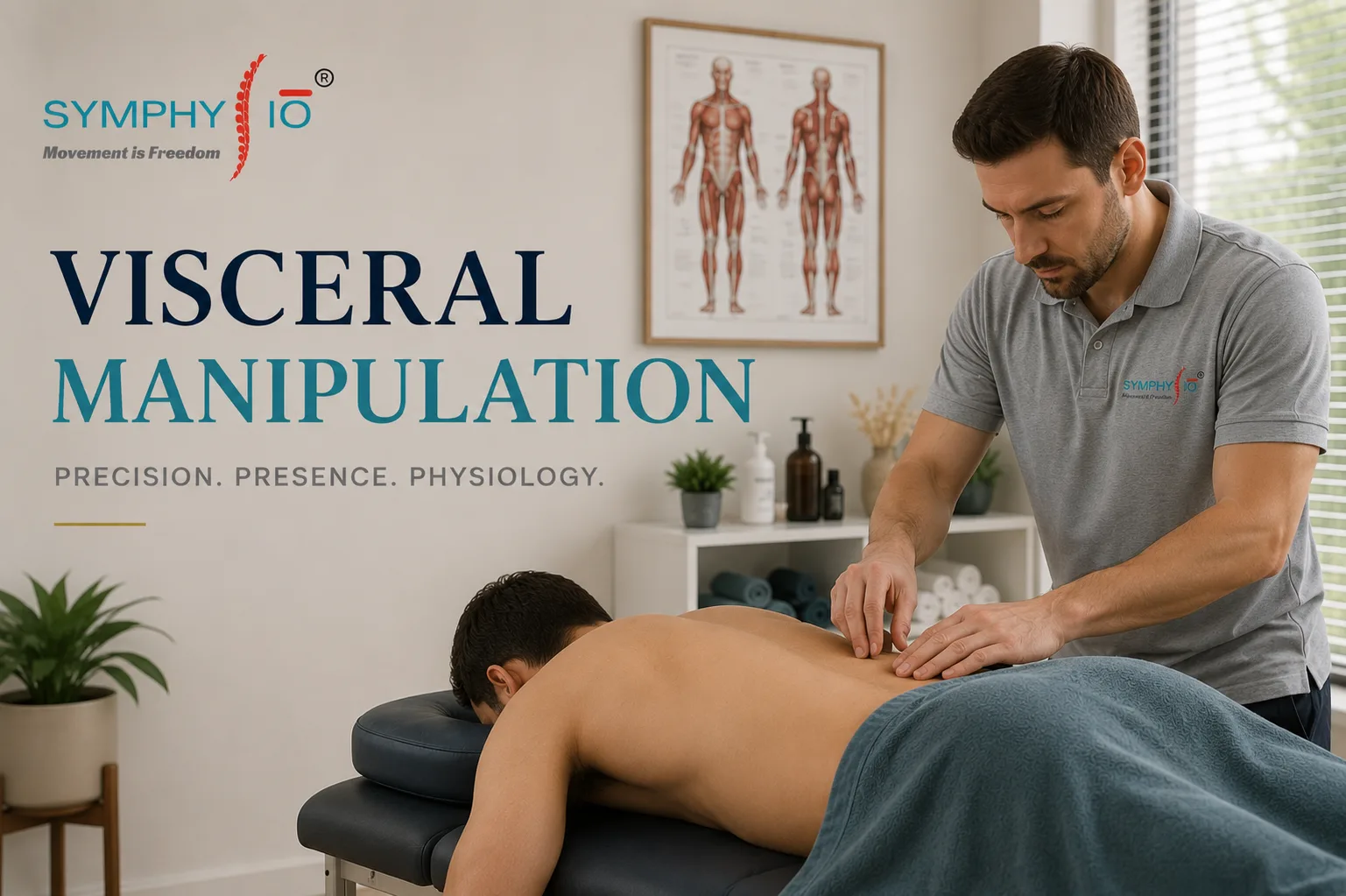
Visceral Manipulation
SignatureVisceral Manipulation therapy in Sarita Vihar, Delhi NCR — gentle, root-cause treatment for chronic pain linked to organ and fascial mobility.
Learn MoreSciatica in Sarita Vihar & South Delhi
Symphysio provides sciatica to patients across South Delhi. Our clinic in Sarita Vihar is easily accessible from:
Not sure if we cover your area? Contact us.
Don't Let Sciatica Pain Hold You Back
Book a root-cause nerve assessment with Symphysio in Sarita Vihar today.