
Neck & Cervical Pain Treatment
Root-cause physiotherapy for neck pain and cervical dysfunction in Sarita Vihar, Delhi NCR.
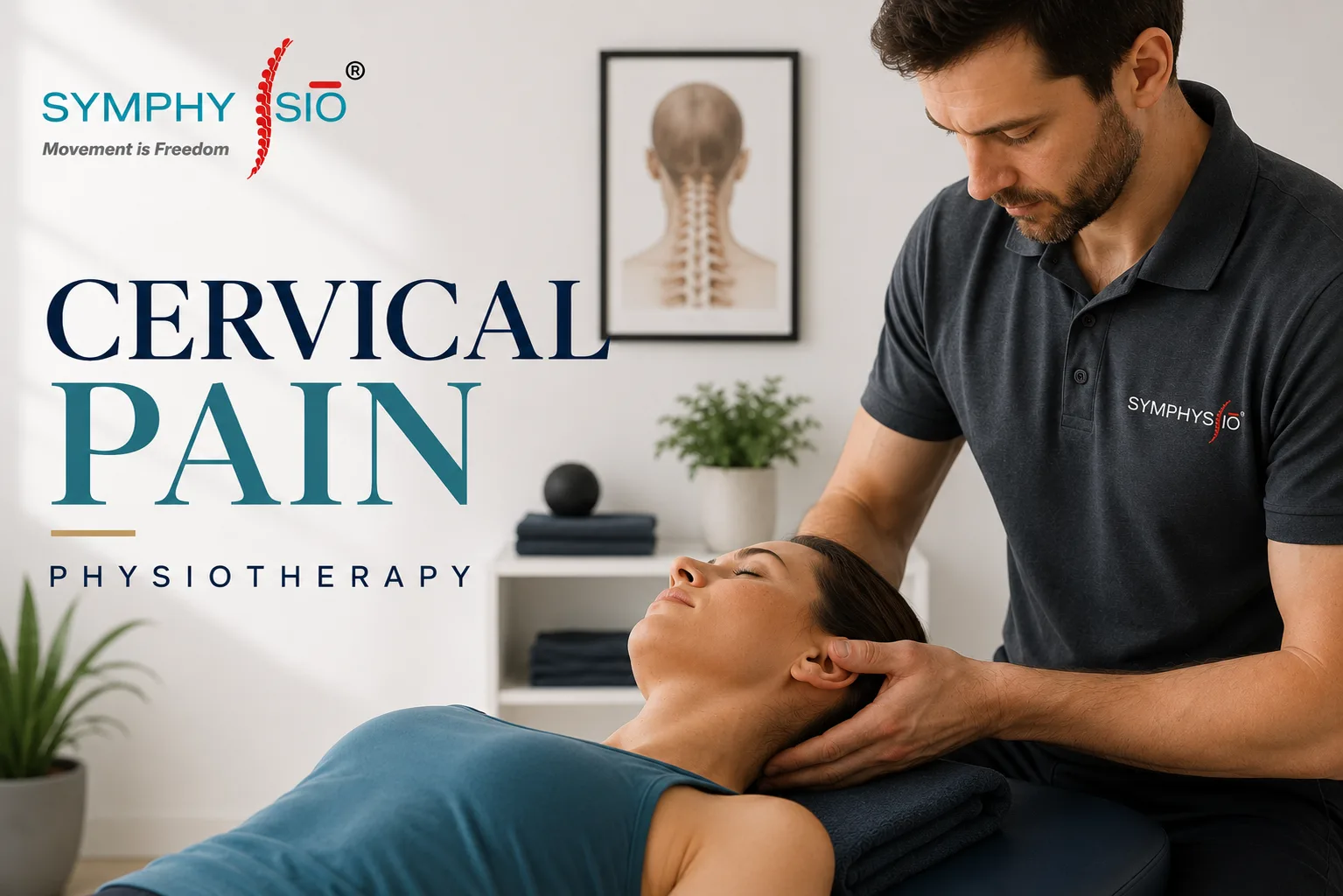
Neck & Cervical Pain
What Is Neck & Cervical Pain?
Neck and cervical pain physiotherapy addresses pain, stiffness, and restricted movement arising from the joints, muscles, and discs of the cervical spine. It's one of the most common complaints seen in clinical practice today, closely linked to prolonged screen time, poor desk ergonomics, and sustained forward-head posture — sometimes called "tech neck."
Unlike generic stretching advice, effective neck pain treatment starts with identifying exactly which structures are involved — joints, muscles, discs, or a combination — because each responds differently to treatment. At Symphysio, this structured approach forms the basis of every neck pain treatment plan.
Symptoms & Causes
Common symptoms include:
- Persistent ache or stiffness at the base of the neck or across the shoulders
- Reduced range of motion when turning or tilting the head
- Pain that worsens with prolonged sitting, screen use, or driving
- Muscle tightness in the upper trapezius and neck extensors
- Occasional referred pain into the shoulder blade or upper arm
- Stiffness that's noticeably worse first thing in the morning
Common underlying causes:
- Forward-head posture from prolonged desk or screen work
- Poor workstation ergonomics (monitor height, chair support, keyboard position)
- Poor sleeping positions or unsupportive pillows
- Whiplash-type injuries from sudden movement (e.g. road accidents)
- Age-related cervical joint changes and disc degeneration
- Stress-related muscle tension in the neck and shoulders
How We Assess It
Assessment at Symphysio includes:
- Postural evaluation — particularly head, neck, and shoulder alignment, both at rest and during functional movements
- Cervical range of motion testing — measuring how far and how comfortably you can turn, tilt, and bend your neck in each direction
- Palpation — of the cervical joints and surrounding musculature to identify specific areas of restriction or tenderness
- Neurological screening — to rule out nerve involvement extending into the arm, which would change the treatment approach
This assessment identifies whether your neck pain is primarily postural, muscular, joint-related, or a combination, which directly shapes your treatment plan.
Our Treatment Approach
Treatment typically combines:
- Manual therapy — joint mobilization and soft tissue release to reduce stiffness and restore comfortable movement
- Postural correction exercises — retraining the head, neck, and shoulder position during daily activities, particularly desk work
- Deep neck flexor strengthening — building the muscles that support proper neck alignment and reduce strain on superficial neck muscles
- Ergonomic guidance — practical, specific changes to your workstation setup (monitor height, chair, keyboard position) to reduce ongoing strain
- Dry Needling — often used for persistent muscle tightness that doesn't fully resolve with manual therapy and exercise alone
Most treatment plans also include a home exercise routine and simple daily habit changes to prevent symptoms from returning.
Benefits of Treatment
- Reduces neck pain and stiffness
- Restores full, pain-free range of motion
- Corrects the postural drivers behind recurring pain
- Reduces frequency of associated tension headaches
- Improves comfort during desk work and screen use
- Builds long-term resilience against recurrence, not just short-term relief
Who Should Consider This / Contraindications
Physiotherapy is appropriate for most patients with mechanical or postural neck pain, whether recent or long-standing. It's approached with caution — and only after medical evaluation — in cases of:
- Suspected fracture or recent significant trauma
- Progressive neurological symptoms (arm weakness, loss of coordination, changes in hand function)
- Signs of underlying serious pathology (unexplained weight loss, fever with neck pain)
These require urgent medical assessment before physiotherapy treatment begins. Our therapists screen for these signs at your first visit.
Frequently Asked Questions
Yes — prolonged forward-head posture during screen use places sustained strain on the cervical spine and surrounding muscles, making it one of the most common contributing factors we see in clinic.
Many patients notice meaningful improvement within 3-5 sessions, with a full program typically spanning a few weeks depending on how long the pain has been present.
In many cases, yes — small ergonomic adjustments (monitor height, chair support, keyboard position) make a significant difference in preventing recurrence, and we'll give you specific, practical guidance rather than generic advice.
Yes, neck-related muscle tension and joint dysfunction can refer pain into the head, contributing to tension-type or cervicogenic headaches. Treating the neck often reduces headache frequency as well.
Yes, an unsupportive pillow or awkward sleeping posture can aggravate or even initiate neck pain, especially when combined with other contributing factors like desk posture.
Not usually. Most mechanical neck pain can be assessed and treated clinically without imaging. Imaging is recommended when red-flag symptoms are present or symptoms don't respond as expected.
Muscular neck pain typically involves tightness and tenderness in specific muscles, often improving with soft tissue release and stretching. Joint-related pain involves stiffness and restricted movement at specific spinal segments, usually requiring manual joint mobilization. Assessment determines which — or both — you have.
Yes, Dry Needling is often used for persistent muscle tightness in the neck and upper shoulder region, particularly when it doesn't fully resolve with manual therapy and exercise alone.
Whiplash-related neck pain often involves a broader assessment for ligament and soft tissue injury, and treatment may progress more gradually in the early stages before building toward full strengthening — but the same overall physiotherapy approach applies.
Long-term prevention typically involves a combination of postural awareness, regular movement breaks during desk work, deep neck flexor strength, and ergonomic adjustments — all of which are built into your treatment plan, not just addressed after symptoms return.
Related Treatments
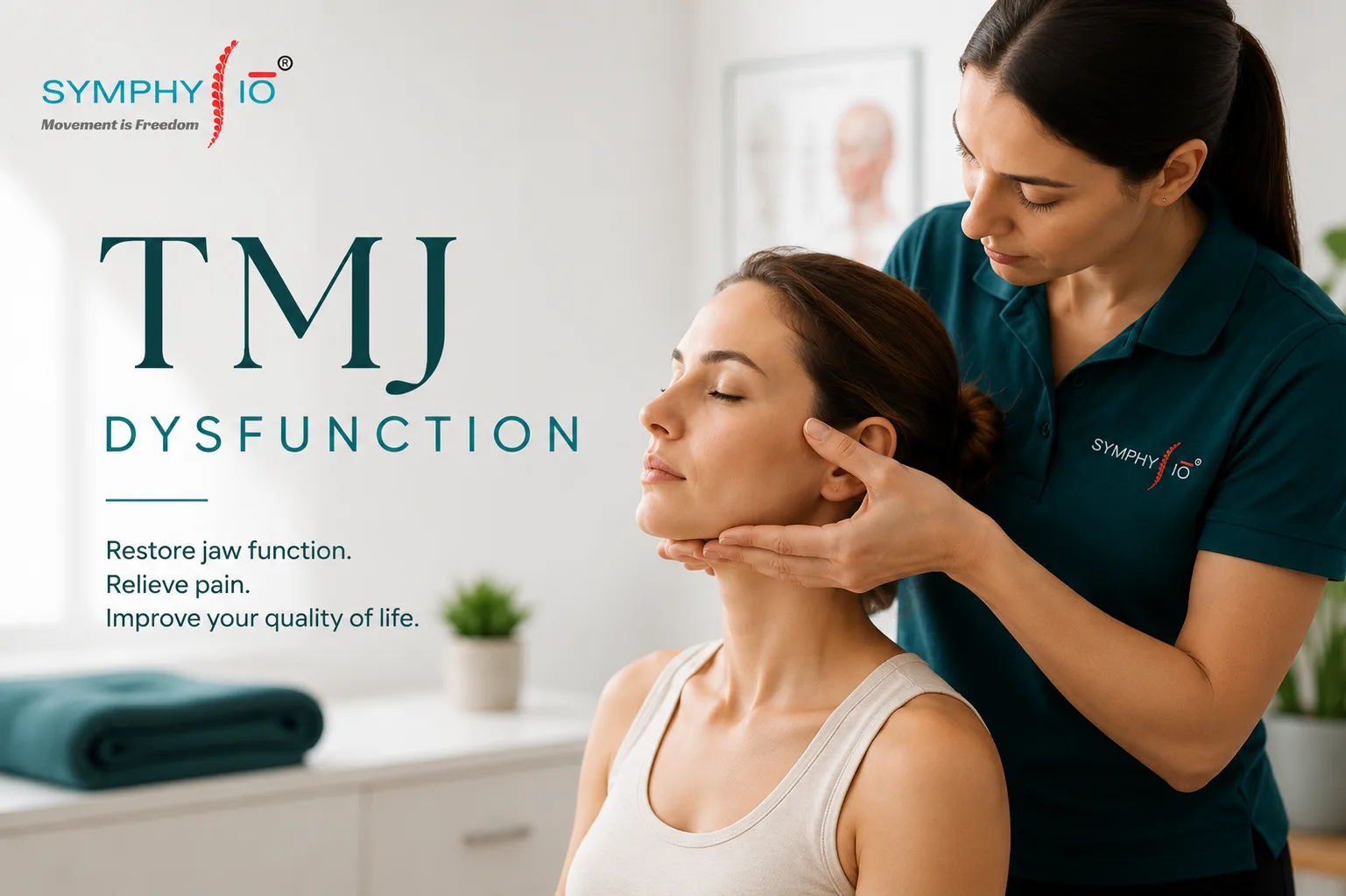
TMJ Disorder
Physiotherapy for TMJ disorder & jaw pain in Sarita Vihar, Delhi NCR — root-cause jaw and neck assessment, hands-on manual therapy.
Learn More
Headache & Neck Pain
Physiotherapy for chronic headaches & cervicogenic headache in Sarita Vihar, Delhi NCR — upper cervical assessment, hands-on therapy.
Learn More
Dry Needling
Dry needling for muscle trigger points, chronic pain & tension in Sarita Vihar, Delhi NCR — precise, evidence-informed technique.
Learn MoreNeck & Cervical Pain in Sarita Vihar & South Delhi
Symphysio provides neck & cervical pain to patients across South Delhi. Our clinic in Sarita Vihar is easily accessible from:
Not sure if we cover your area? Contact us.
Don't Let Neck Pain Limit Your Day
Book a root-cause assessment with Symphysio in Sarita Vihar today.