
Headache & Neck Pain Treatment
Physiotherapy for chronic headaches linked to the neck — treating the true source, not just the symptom, in Sarita Vihar, Delhi NCR.
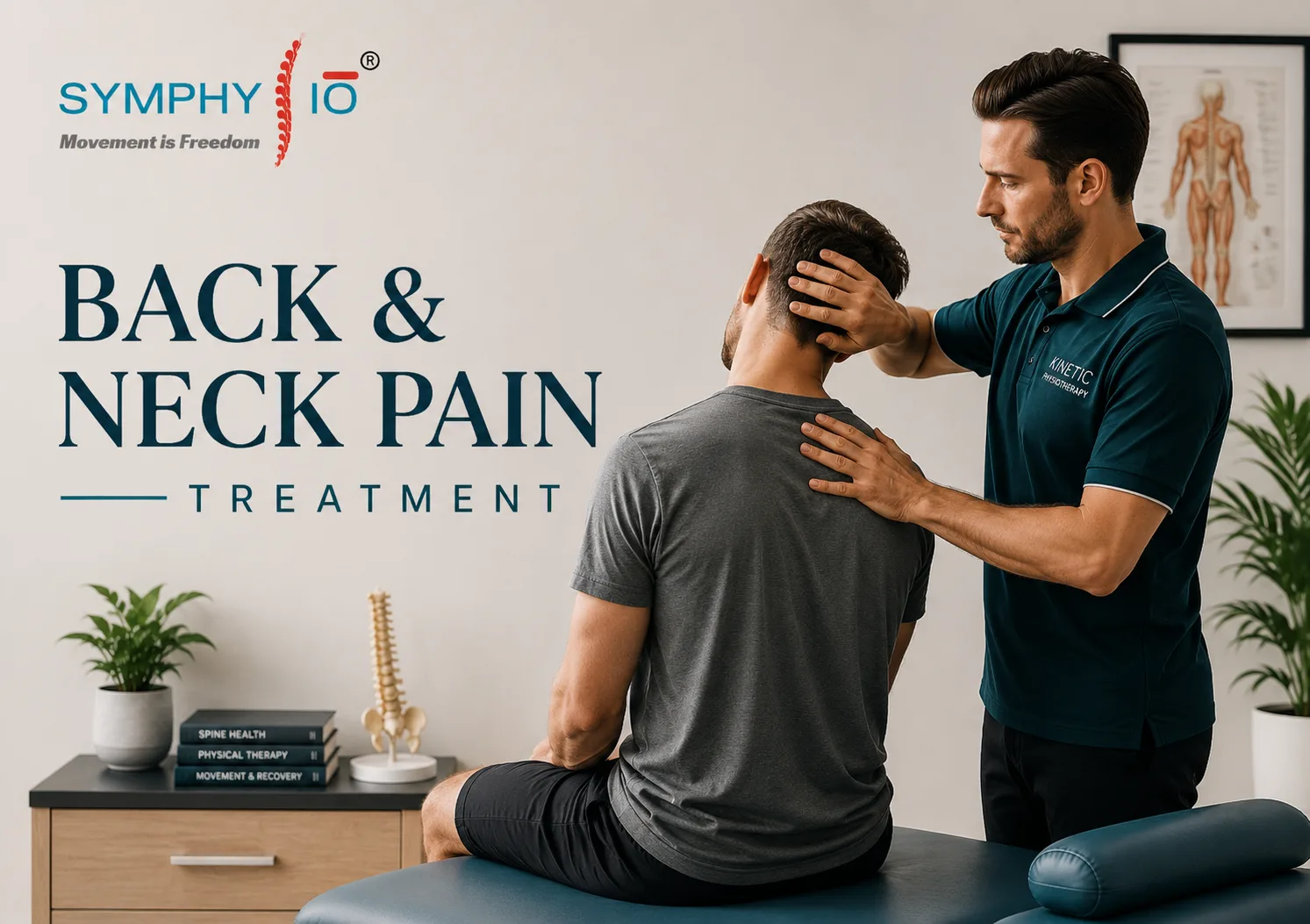
Headache & Neck Pain
What Is Headache & Neck Pain?
Many chronic headaches — particularly tension-type and cervicogenic headaches — originate from dysfunction in the upper cervical spine rather than the head itself. Cervicogenic headache is a specific condition where pain is referred from the neck joints and muscles into the head, often felt at the base of the skull, temple, or behind the eyes.
Physiotherapy for headache and neck pain focuses on identifying whether this cervical origin is present, and if so, treating it directly — an approach that's often far more effective for headache frequency and severity than treating the head symptom in isolation.
Symptoms & Causes
Common symptoms include:
- Headache typically starting at the base of the skull and spreading to one side of the head
- Headache that worsens with certain neck movements or sustained postures
- Associated neck stiffness or restricted range of motion
- Pain that may radiate to the shoulder or temple
- Headaches linked to prolonged desk work or poor sleep posture
- Headache pattern that tends to be one-sided and consistent in location
Common underlying causes:
- Upper cervical joint dysfunction, particularly at the top of the neck
- Sustained poor posture, especially prolonged forward-head positioning
- Muscle tension in the neck and upper shoulders, particularly the suboccipital muscles
- TMJ-related muscle referral, where jaw tension contributes to headache patterns
- Stress-related muscle guarding around the neck and shoulders
How We Assess It
Assessment includes:
- Cervical joint testing — particularly the upper cervical segments (C0-C3), which are most commonly implicated in cervicogenic headache
- Muscle palpation for trigger points — identifying specific points in the neck and shoulder muscles that reproduce your headache symptoms when pressed
- Postural analysis — assessing head, neck, and shoulder alignment for patterns that contribute to ongoing strain
- Headache pattern history — a detailed conversation about your headache location, triggers, and behavior, used to distinguish cervicogenic headache from migraine or other headache types that require a different management approach
This distinction matters — cervicogenic headache responds well to physiotherapy, while other headache types may need different or additional management.
Our Treatment Approach
Treatment typically includes:
- Manual therapy directed at the upper cervical joints — gentle, specific mobilization to restore normal movement at the segments most linked to headache referral
- Soft tissue release — targeting muscles known to refer pain into the head, particularly the suboccipitals and upper trapezius
- Postural correction — addressing the sustained positions and movement patterns that keep loading the neck and triggering headaches
- Dry Needling — frequently used for headache-related trigger points that don't fully resolve with manual therapy alone
Most patients are also given specific neck exercises and postural strategies to manage and prevent headache episodes between sessions.
Benefits of Treatment
- Reduces frequency and intensity of cervicogenic headaches
- Improves upper neck mobility
- Addresses postural and muscular contributors to headache
- Reduces reliance on pain medication for chronic headaches
- Complements TMJ and general neck pain treatment for compound cases
- Provides a long-term management strategy rather than only short-term relief
Who Should Consider This / Contraindications
Physiotherapy is well suited to headaches with a clear mechanical or postural neck component, particularly recurring headaches that follow a consistent pattern linked to neck movement or posture. However, certain headache presentations require immediate medical evaluation rather than physiotherapy:
- Sudden, severe "worst-ever" headache
- Headache accompanied by neurological symptoms (vision changes, slurred speech, weakness, confusion)
- Headache following significant head trauma
- New headache pattern in someone over 50, or headaches with fever and neck stiffness
Our therapists screen for these red flags at your first visit and will refer you for urgent medical evaluation if present, rather than proceeding with physiotherapy.
Frequently Asked Questions
Yes. The upper cervical joints and muscles can refer pain directly into the head, a condition called cervicogenic headache. Treating the neck often resolves the headache at its source.
Cervicogenic headaches typically start at the base of the skull, worsen with certain neck movements, and are linked to neck stiffness. Migraines have different triggers and associated symptoms (light sensitivity, nausea, visual aura) and are managed differently — accurate assessment helps distinguish between them.
For headaches with a mechanical, neck-related origin, postural correction is often one of the most effective long-term strategies, since sustained poor posture keeps loading the joints and muscles that refer pain to the head.
If your headaches have a mechanical, neck-related component, physiotherapy targeting the upper cervical spine and surrounding muscles can be effective where medication alone provides only temporary relief.
Yes, Dry Needling is commonly used for trigger points in the neck and shoulder muscles that contribute to cervicogenic headaches, often used alongside manual therapy and exercise.
Many patients notice a reduction in headache frequency within 3-5 sessions, though full results depend on how long the pattern has been established and how consistently postural and exercise recommendations are followed.
Yes — prolonged forward-head posture during screen use strains the same neck structures that can refer pain into the head, which is why headaches and desk-related neck pain so often occur together.
Usually yes, with ergonomic adjustments and posture breaks guided by your therapist. We'll advise on modifications specific to your workstation and daily routine.
Yes, jaw muscle tension can refer pain into the temple and head region. Where TMJ and cervicogenic factors overlap, we assess and treat both together for better results.
Sudden severe headaches, headaches with vision changes, weakness, slurred speech, or headaches following a head injury need urgent medical evaluation rather than physiotherapy.
Related Treatments
TMJ Disorder
Physiotherapy for TMJ disorder & jaw pain in Sarita Vihar, Delhi NCR — root-cause jaw and neck assessment, hands-on manual therapy.
Learn More
Neck & Cervical Pain
Physiotherapy for neck & cervical pain in Sarita Vihar, Delhi NCR — root-cause postural assessment, hands-on therapy & targeted rehab.
Learn More
Dry Needling
Dry needling for muscle trigger points, chronic pain & tension in Sarita Vihar, Delhi NCR — precise, evidence-informed technique.
Learn MoreHeadache & Neck Pain in Sarita Vihar & South Delhi
Symphysio provides headache & neck pain to patients across South Delhi. Our clinic in Sarita Vihar is easily accessible from:
Not sure if we cover your area? Contact us.
Don't Let Chronic Headaches Control Your Day
Book a root-cause assessment with Symphysio in Sarita Vihar today.