Knee Pain: Causes, Arthritis & Exercises That May Help
Learn about knee pain and arthritis, how to approach strengthening and daily activity, and which symptoms should be assessed before choosing exercises.
Written by Team Symphysio
Published March 30, 2026Last updated October 14, 20264 min read
In this article
Knee pain has several possible causes, and exercises work best when chosen for your symptoms and ability. Osteoarthritis is one possibility; pain location or a difficult stair climb alone cannot confirm the diagnosis.
For an individual assessment, see our knee pain assessment and care.
Why Knee Pain Develops (Causes)
Signs Your Knees Need This Blueprint (Symptoms)
- A dull ache after running, squatting, or climbing stairs, without a specific injury moment
- Knees that feel unstable or "give way" occasionally under load
- Visible inward collapse of the knee during squats or landing
- Stiffness or mild swelling after longer activity that settles with rest
- A history of knee pain that eases and returns depending on activity levels
The Importance of Glutes and Hips
Exercises for Hip-Driven Stability:
- Side-Lying Leg Lifts (Hip Abduction): Focus on slow, controlled movement. Do not let your hips roll back. This directly targets the gluteus medius.
- Clamshells (with a band): The best exercise for isolating and strengthening the small, deep hip rotators. Keep your feet together and rotate your top knee upward.
- Glute Bridges: Excellent for overall glute max and hamstring strength, which helps unload the knee.

Strengthening the Knee Directly (Treatment Options)
Once hip stability is established, we can focus on the muscles crossing the knee joint itself. These exercises are crucial for shock absorption and controlled movement.
Exercises for Controlled Loading:
- Wall Slides (or Mini-Squats): Stand with your back against a wall and slide down into a 45-degree squat. This builds quad endurance with minimal shear force.
- Seated Knee Extensions (Light Resistance): Using a light ankle weight or resistance band, slowly extend the leg to strengthen the quadriceps. Focus on the final 30 degrees of extension.
- Hamstring Curls (Standing or Prone): Use an ankle weight or resistance machine to isolate the hamstrings, which protect the ACL and prevent hyperextension.
Functional Mobility and Resilience
The final phase integrates strength into real-world movements, ensuring your knee can handle daily activities and sport.
Exercises for Resilience:
- Single-Leg Romanian Deadlift (RDL): This demanding exercise requires balance and simultaneous strength in the hamstrings, glutes, and core, teaching them to work together to stabilize the knee.
- Controlled Step-Ups: Use a low box or step. Focus on pressing through the heel of the front foot (glutes) and controlling the descent very slowly.
It is vital to approach knee health with consistency, not intensity. All these movements should be performed slowly and deliberately, prioritising perfect form over heavy weight. For post-surgical clients or those with severe osteoarthritis, always ensure these exercises are cleared and monitored by your physiotherapist to ensure proper load progression and safety. Build these eight pillars of strength, and your knees will reward you with decades of pain-free activity.

When to See a Physiotherapist
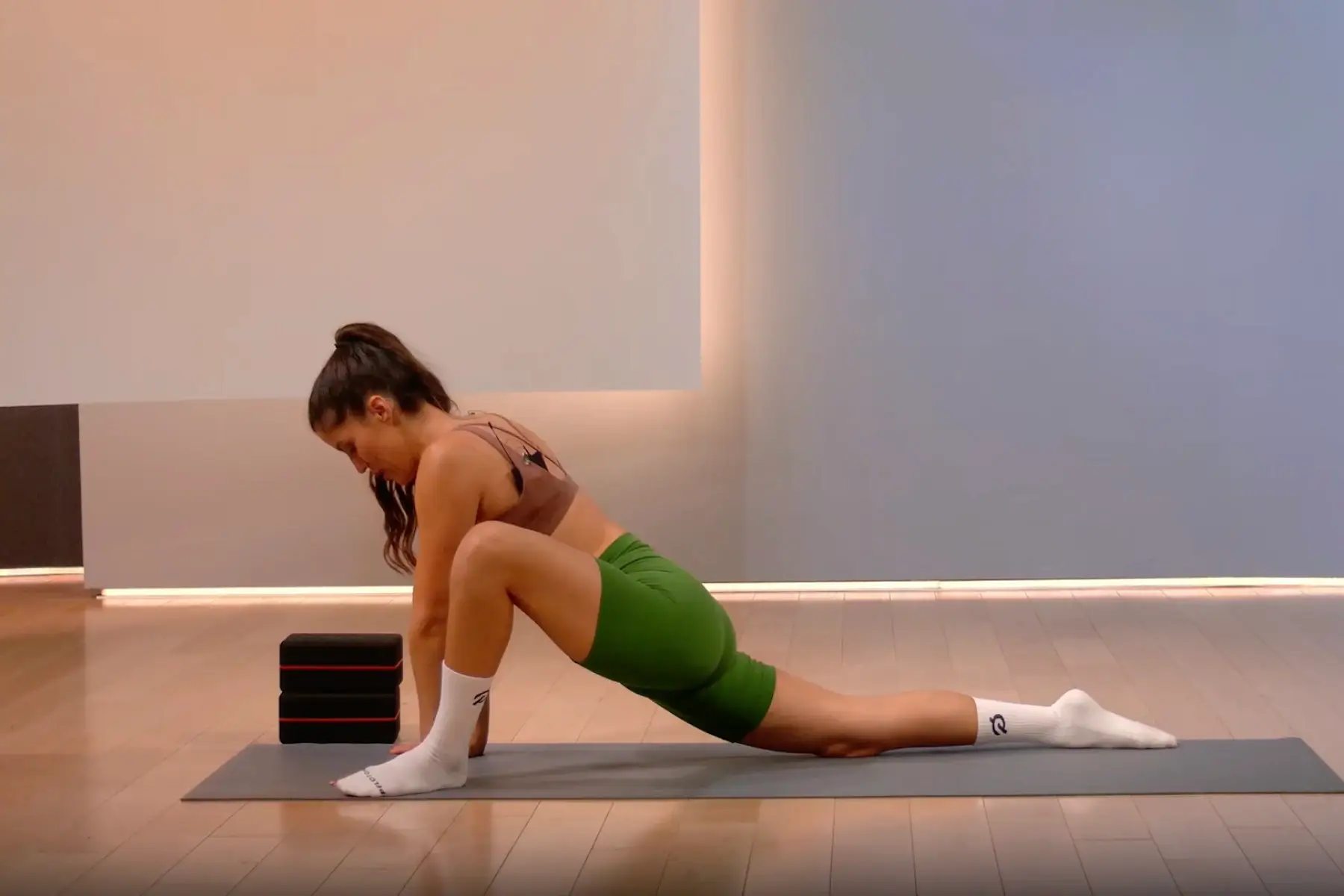
This blueprint is built for prevention and general knee resilience — it isn't a substitute for an assessment if you have sharp or worsening pain, a knee that locks or catches, significant swelling, or pain that started with a specific twisting or impact injury. In those cases, see a physiotherapist before starting a new strength programme so exercises are matched to what your knee can actually handle right now.
Knee Strengthening Programmes Near Apollo Hospital, Sarita Vihar
Symphysio Physiotherapy Clinic, Sarita Vihar, builds personalised knee strengthening and sports rehabilitation programmes for patients from Jasola, Okhla, Sukhdev Vihar, New Friends Colony, Kalindi Kunj, and Badarpur — whether the goal is preventing first-time knee pain or building back safely after an injury.
Recovering from knee surgery specifically? Our dedicated guide to post-surgery physiotherapy in Sarita Vihar covers week-by-week recovery timelines after knee replacement.
Is every painful knee osteoarthritis?
Osteoarthritis is different from inflammatory arthritis and injuries affecting other knee structures. A history and examination help distinguish them; the same exercise routine is not appropriate for every painful or swollen knee.
For osteoarthritis, therapeutic exercise can be adapted to improve strength and daily function. Progress is about tolerating activity and doing meaningful tasks more comfortably, not promising to reverse every structural joint change.
What should I tell a clinician before exercising?
Explain where pain is felt, whether the knee swells, locks or gives way, how symptoms started and which tasks are difficult. These details are clues rather than a self-diagnosis chart. Seek assessment for significant injury or concerning changes rather than forcing an online exercise routine.
Discuss your symptoms with a physiotherapist
If symptoms affect everyday activity, explore assessment and physiotherapy options or book an appointment. This information cannot diagnose your symptoms; read our medical disclaimer.
Frequently Asked Questions
Most people benefit from 2-3 sessions a week, allowing a day of rest between sessions for the muscles to recover and adapt. Consistency over weeks and months matters more than doing everything daily.
Often yes, since appropriate strengthening is one of the most evidence-supported approaches for osteoarthritis — but get it cleared and monitored by your physiotherapist first so load and progression are matched to your joint's current condition.
Weak hip muscles let the thigh bone rotate inward during everyday movement, which places abnormal rotational stress directly on the knee. Strengthening the hips is often what actually resolves knee pain that hasn't responded to knee-only exercises.
No — mild muscle fatigue is expected, but sharp or worsening knee pain during an exercise means it should be stopped and reviewed by a physiotherapist rather than pushed through.
Many people notice improved stability and confidence within 4-6 weeks of consistent training, with more complete strength gains building over 8-12 weeks — knee tissue and muscle adapt on a similar timeline to most strength programmes.
References
These sources provide background guidance and research. Evidence and suitability vary by condition and technique; discuss benefits, risks and alternatives with your clinician.
General health information cannot diagnose your symptoms or replace individual medical advice. Do not delay urgent care for concerning symptoms. Read our medical disclaimer.
Book an assessment at Symphysio
Talk to our team in Sarita Vihar and get a plan built around your symptoms, not a fixed protocol.