What Is Electrotherapy Used For in Physiotherapy?
Electrotherapy describes several modalities that may be used within a physiotherapy plan. Ask about the purpose, suitability and alternatives; a modality.

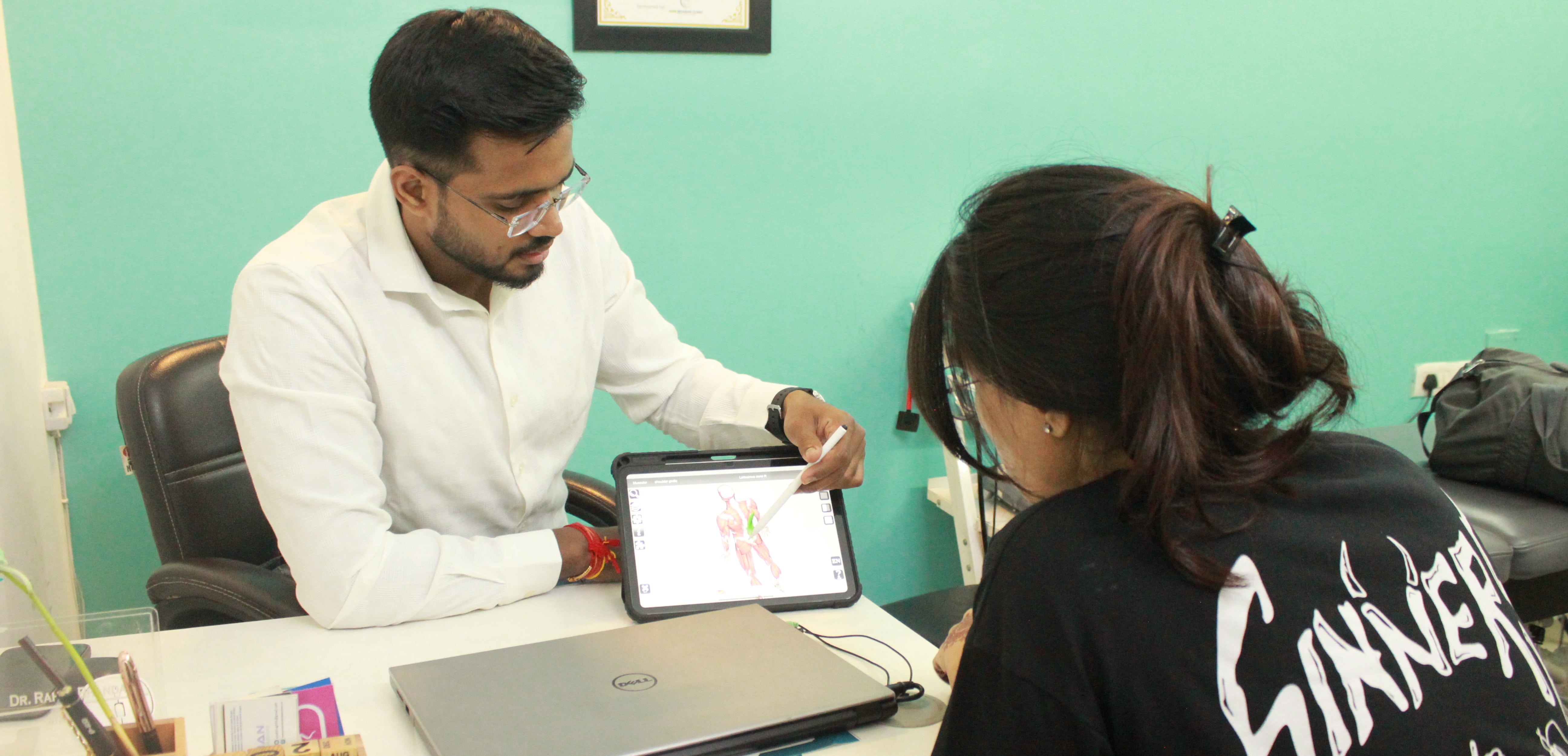
Written by Dr. Rahul Bhandari, PT, MPT (Sports)
Published April 24, 2026Last updated October 14, 20264 min read
In this article
Electrotherapy describes several modalities that may be used within a physiotherapy plan. Ask about the purpose, suitability and alternatives; a modality alone does not establish a diagnosis or guarantee recovery.
For an individual assessment, see our advanced therapies assessment and care.
Causes: Why Tendons and Ligaments Get Stuck in Chronic Pain
The Science Behind the Shock
- Mechanical Disruption: The rapid pulses physically break down calcified deposits (common in conditions like rotator cuff tendinosis) and disrupt fibrotic scar tissue that prevents proper healing.
- Biological Stimulation (Neovascularization): The micro-trauma caused by the waves forces the body to react. It triggers a marked increase in blood flow (angiogenesis) to the chronically deprived area and releases growth factors. This effectively turns a chronic, "stalled" inflammatory state into an acute, healing state, resetting the body's repair mechanism.
This process of neovascularization (new blood vessel formation) is the key differentiator, as it brings essential nutrients and oxygen required for true tissue regeneration.

Symptoms and Conditions ESWT Helps With
ESWT is incredibly versatile, primarily used to treat chronic soft tissue and bone injuries where pain has persisted well beyond the normal healing window. It's a strong option for:
- Plantar Fasciitis: One of the most common applications, often resolving pain after 3-5 sessions.
- Achilles Tendinopathy: Effective in treating both mid-portion and insertional issues.
- Tennis Elbow (Lateral Epicondylitis) and Golfer's Elbow (Medial Epicondylitis): Addressing chronic inflammation and breakdown in the forearm tendons.
- Rotator Cuff Tendinopathy: Especially useful when calcification is present.
- Patellar Tendinopathy (Jumper's Knee): Stimulating healing in the tendon below the kneecap.
Treatment Options: What to Expect During and After
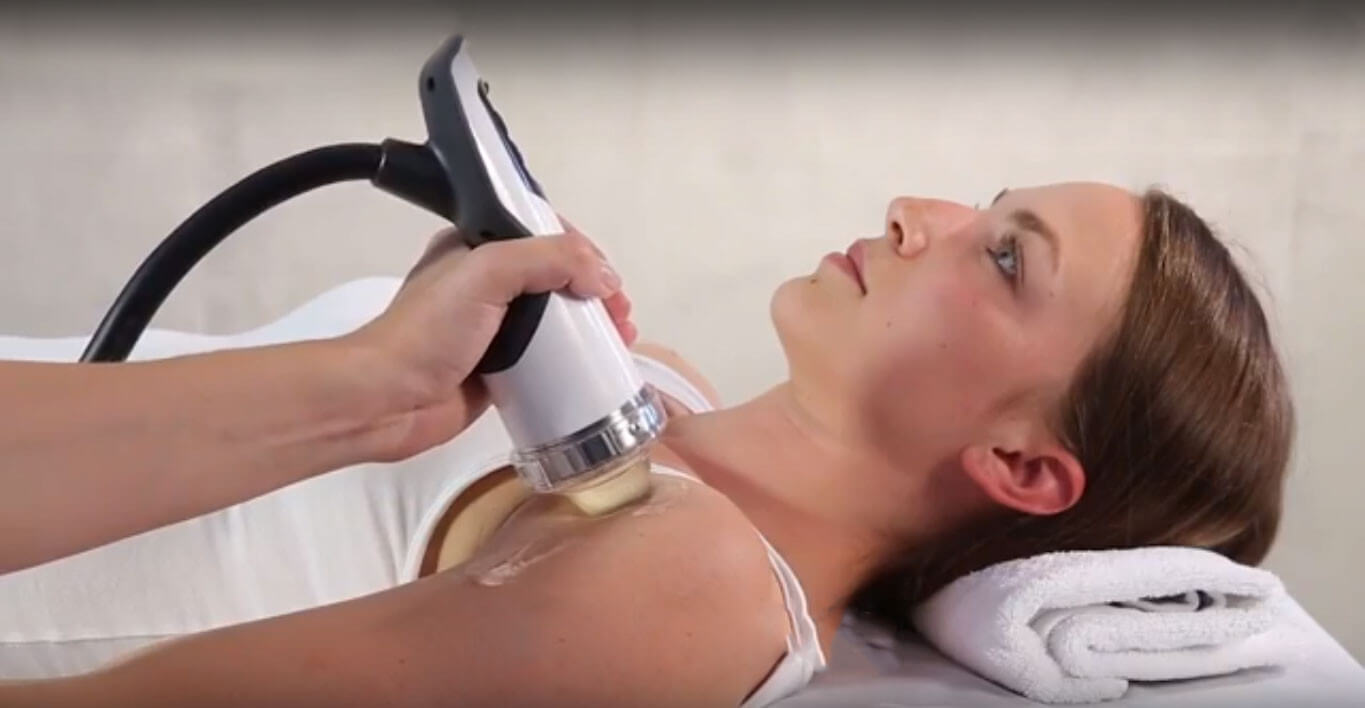
A typical ESWT session is quick, lasting only 5 to 15 minutes. The therapist will locate the painful area through palpation or ultrasound and apply a gel before administering the pulses. You will feel intense pulses, which can be uncomfortable but should always be tolerable — the intensity is adjusted to your pain threshold. The total course usually consists of 3 to 6 sessions, performed once a week.
Immediately after treatment, it is common to feel significant pain relief, followed by a dull ache later in the day. The body's healing response continues for several weeks, meaning the maximum benefit is often felt 6 to 12 weeks after the final session. Crucially, ESWT does not require downtime; patients are encouraged to continue light activity and their standard physiotherapy exercises.
When to See a Physiotherapist
If tendon or heel pain has lasted more than 6-8 weeks despite rest, stretching, and over-the-counter pain relief, it's worth an assessment rather than continuing to wait it out — chronic tendinopathy rarely resolves with rest alone once it's reached that stage. A physiotherapist can confirm whether ESWT is appropriate or whether the picture calls for a different combination of manual therapy and loading exercise first.
Safety and Contraindications
ESWT has a high safety profile. However, it is not suitable for everyone. We avoid treating over malignant tumours, areas with acute infection, over the lungs, and in patients who are pregnant or have clotting disorders. A thorough assessment by your physiotherapist will determine if ESWT is the right, effective choice for your chronic pain condition. By stimulating the body's natural power to heal, shockwave therapy offers a clear path out of chronic discomfort and back to an active life.

Preventing Recurrence After ESWT
- Continue prescribed loading exercises after the course ends — ESWT stimulates healing, but strength work is what makes it stick
- Address training or work loads that contributed to the original overload, not just the symptom
- Don't return to full intensity activity immediately after the final session — build back up over the 6-12 week healing window
Shockwave Therapy Near Apollo Hospital, Sarita Vihar
Symphysio Physiotherapy Clinic, Sarita Vihar, offers ESWT alongside our broader advanced therapies programme for patients from Jasola, Okhla, Sukhdev Vihar, New Friends Colony, Kalindi Kunj, and Badarpur dealing with plantar fasciitis, tennis elbow, Achilles tendinopathy, and other chronic tendon conditions.
Discuss your symptoms with a physiotherapist
If symptoms affect everyday activity, explore assessment and physiotherapy options or book an appointment. This information cannot diagnose your symptoms; read our medical disclaimer.
Frequently Asked Questions
It can feel intense during the pulses, but the intensity is adjusted to what you can comfortably tolerate throughout the session. Most patients find it uncomfortable rather than truly painful, and it settles quickly after the session ends.
Most courses involve 3 to 6 sessions, spaced about a week apart. Your physiotherapist will confirm the exact number based on how your specific condition responds after the first couple of sessions.
Some pain relief is common immediately after a session, but the real tissue-healing benefit builds over 6 to 12 weeks as the body's repair response continues, so it's worth completing the full course before judging results.
Yes — light activity and your prescribed physiotherapy exercises are encouraged between sessions. ESWT doesn't require downtime, though your physiotherapist may adjust intensity around treatment days.
No. ESWT uses high-energy acoustic (sound) pulses to stimulate tissue healing, while TENS uses low-level electrical current mainly for short-term pain relief. Both fall under the broader "electrotherapy" umbrella but work quite differently and are used for different problems.
References
These sources provide background guidance and research. Evidence and suitability vary by condition and technique; discuss benefits, risks and alternatives with your clinician.
General health information cannot diagnose your symptoms or replace individual medical advice. Do not delay urgent care for concerning symptoms. Read our medical disclaimer.
Book an assessment at Symphysio
Talk to our team in Sarita Vihar and get a plan built around your symptoms, not a fixed protocol.